Buffets promise abundance, variety, and unbeatable value—but chefs see a very different picture. While diners pile their plates high, culinary professionals scan the room looking for red flags. Years of kitchen experience teach chefs which buffet items are risky, low quality, or simply not worth eating. From food safety concerns to texture disasters, some staples are quietly skipped every time. If you’ve ever wondered what chefs won’t touch at a buffet, this list explains exactly why.
Fried Foods That Have Gone Limp
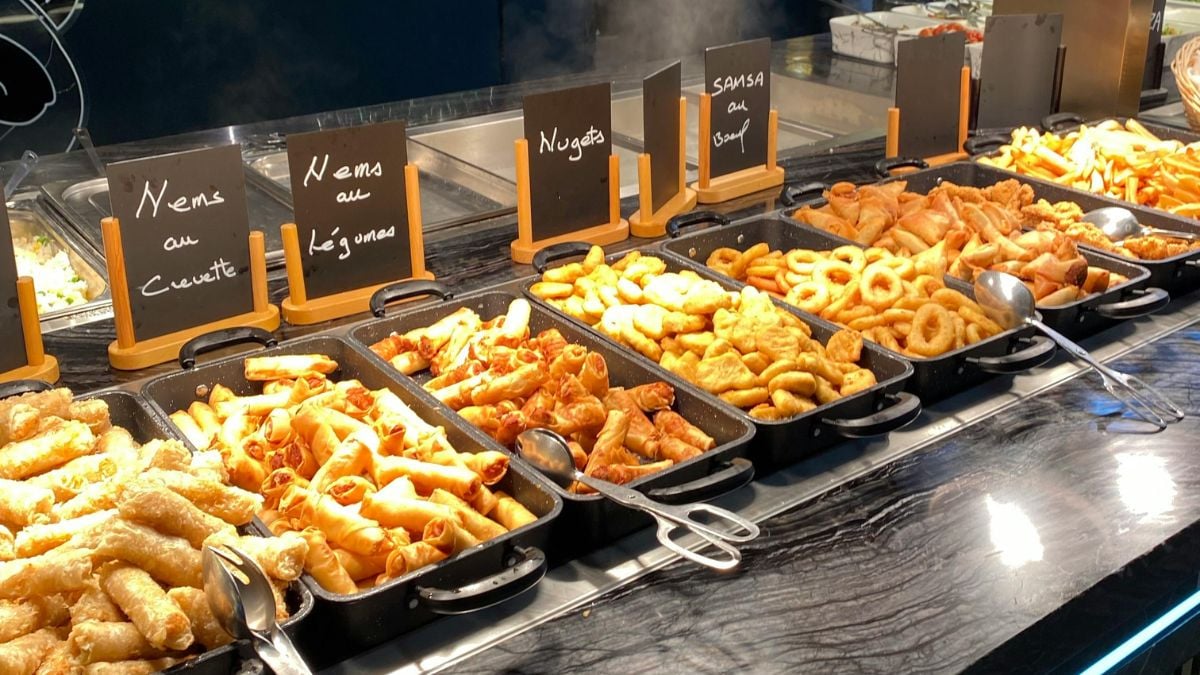
Fried foods are meant to be eaten immediately, not trapped under a buffet lid. Once steam builds up, crispy breading turns soggy and greasy fast. Heat lamps only make things worse, often giving the oil a stale or rancid taste. Chefs know fried items lose their appeal within minutes. If it’s not fresh from the fryer, they walk away.
Hollandaise Sauce Is a High-Risk Gamble
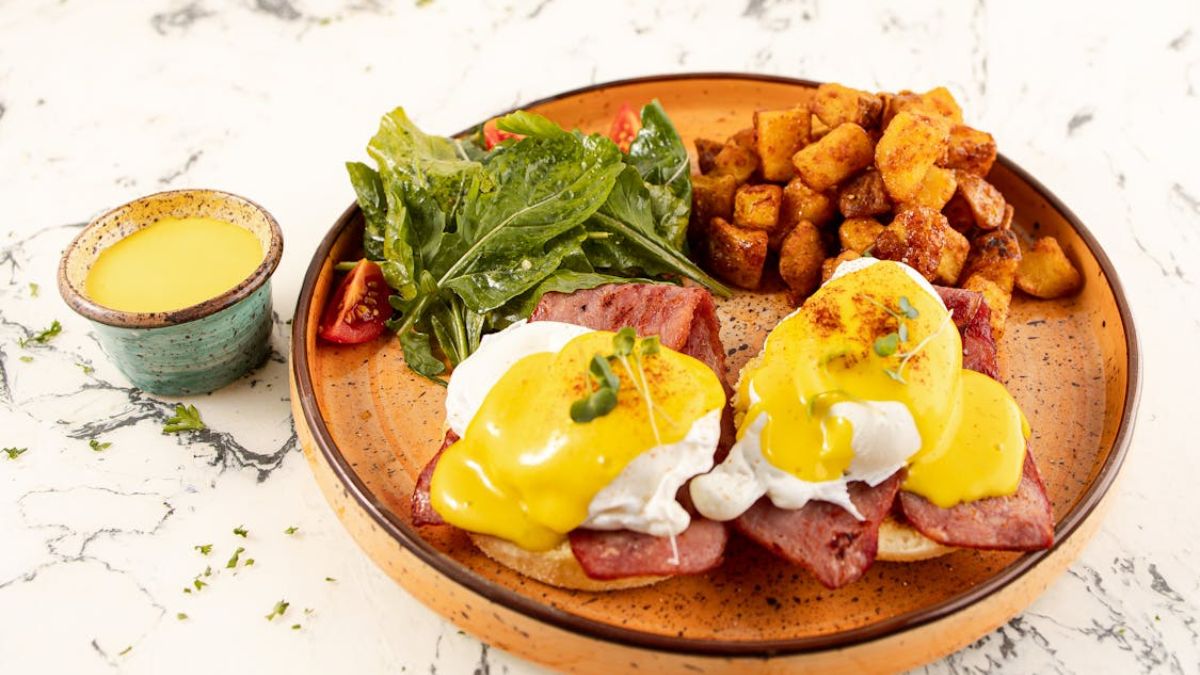
Hollandaise is made with raw egg yolks and butter, making it extremely temperature-sensitive. At buffets, it often sits lukewarm for hours. That creates the perfect environment for bacteria growth. Chefs know how hard it is to monitor sauce temperatures in high-volume settings. The risk simply outweighs the reward.
Pre-Mixed Mayo Salads Raise Too Many Questions
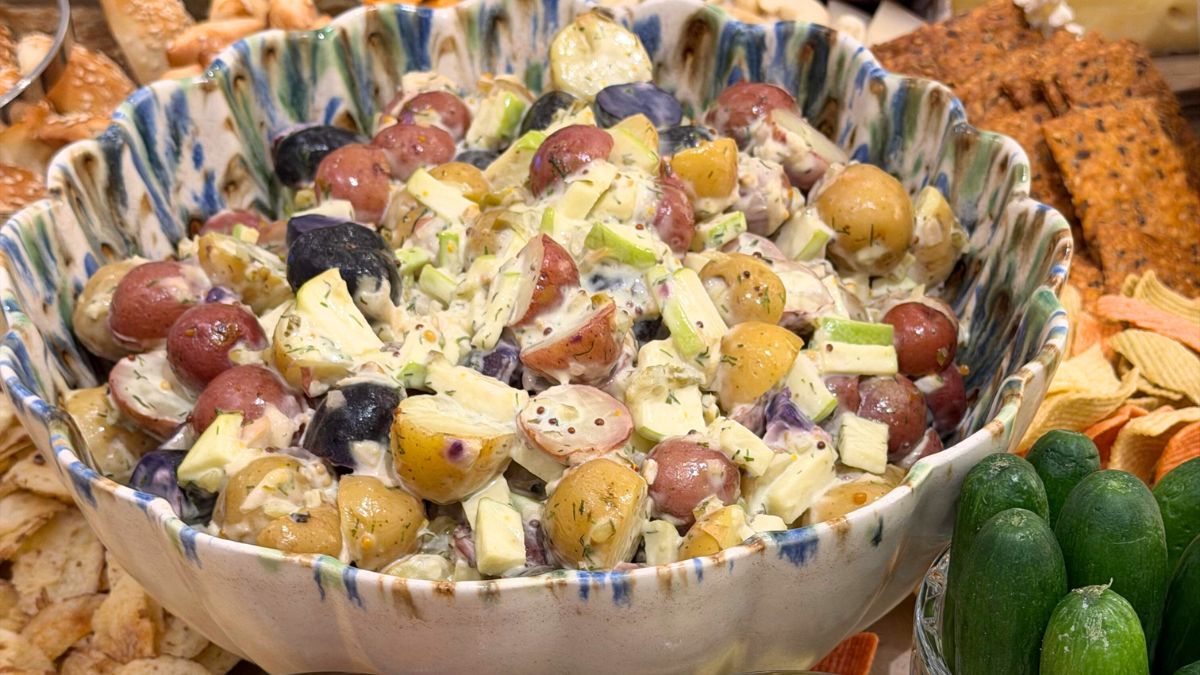
Chicken and tuna salads are notorious buffet no-goes for chefs. These dishes often mask older ingredients with heavy seasoning and mayonnaise. It’s impossible to tell how fresh the protein really is. Mayo also spoils quickly if not kept ice-cold. Add cross-contamination from shared serving spoons, and chefs steer clear.
Raw Sprouts Are a Silent Safety Hazard
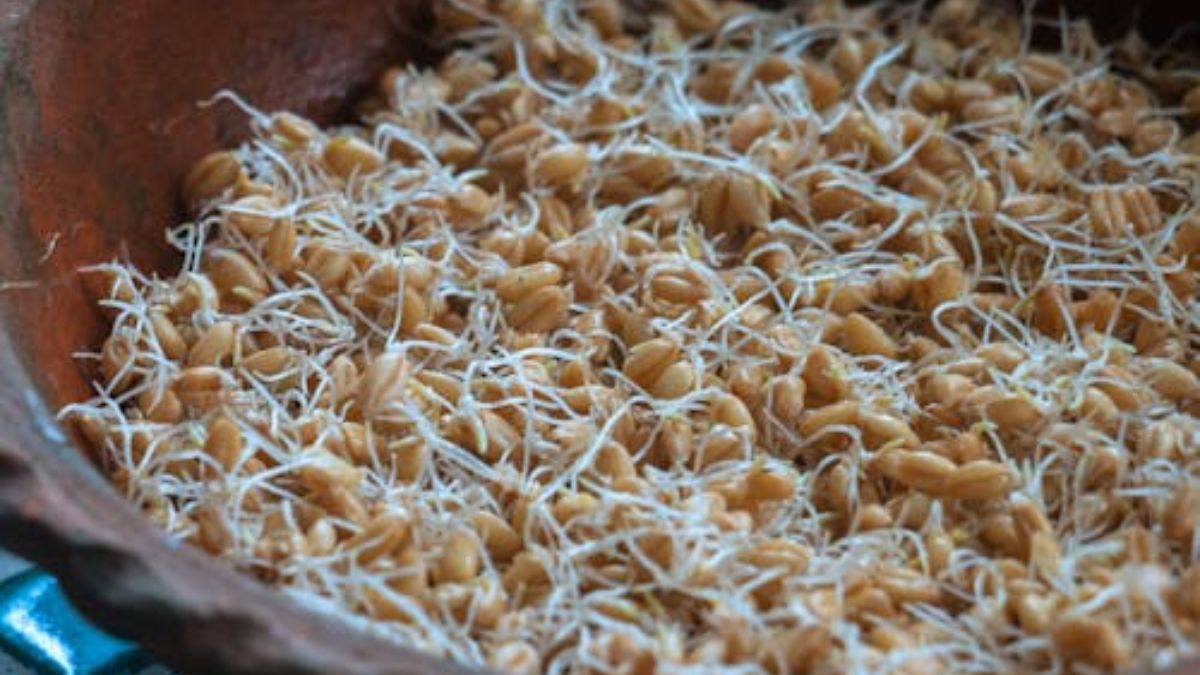
Sprouts may look healthy, but chefs see danger. They grow in warm, humid environments that also encourage bacteria like E. coli. Washing them thoroughly is nearly impossible since bacteria can live inside the seeds. Because sprouts are served raw, there’s no heat step to kill pathogens. Many chefs consider them one of the riskiest buffet items available.
Raw Oysters Don’t Belong on a Buffet
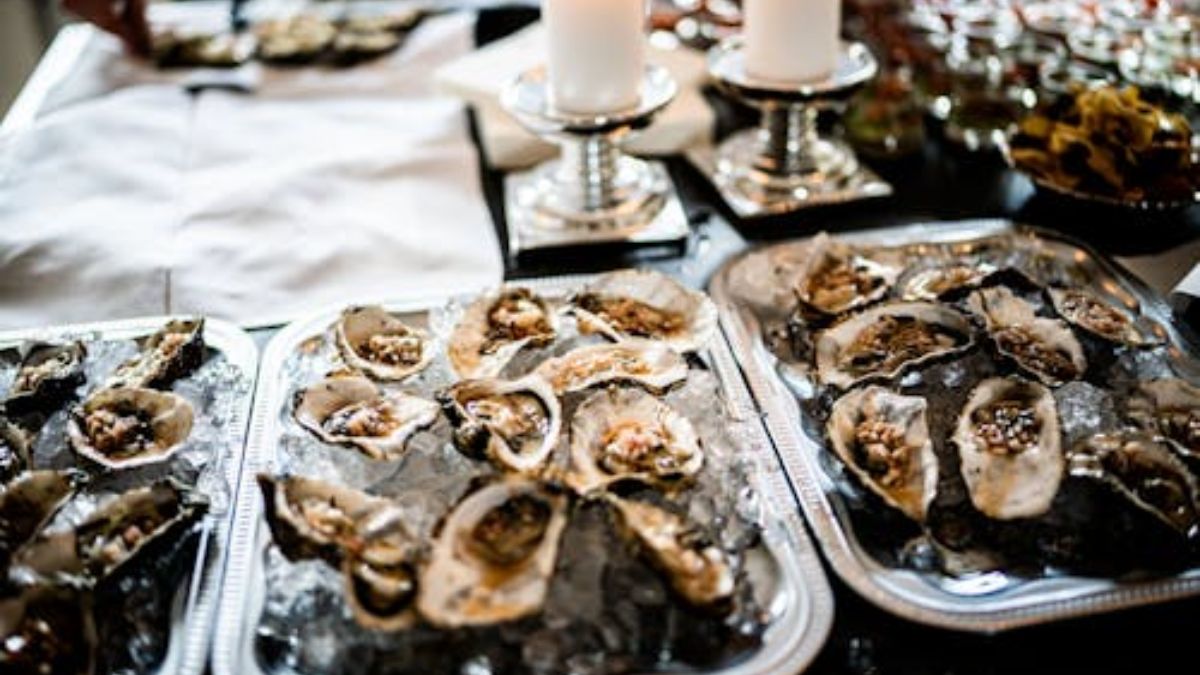
Raw shellfish demand strict temperature control and fast turnover. At buffets, oysters often sit on melting ice under warm lights. Even brief exposure to room temperature can make them unsafe. Diners also can’t tell how long the oysters have been sitting out. Chefs prefer raw seafood only from specialized, high-turnover venues.
Scrambled Eggs That Look Too Perfect
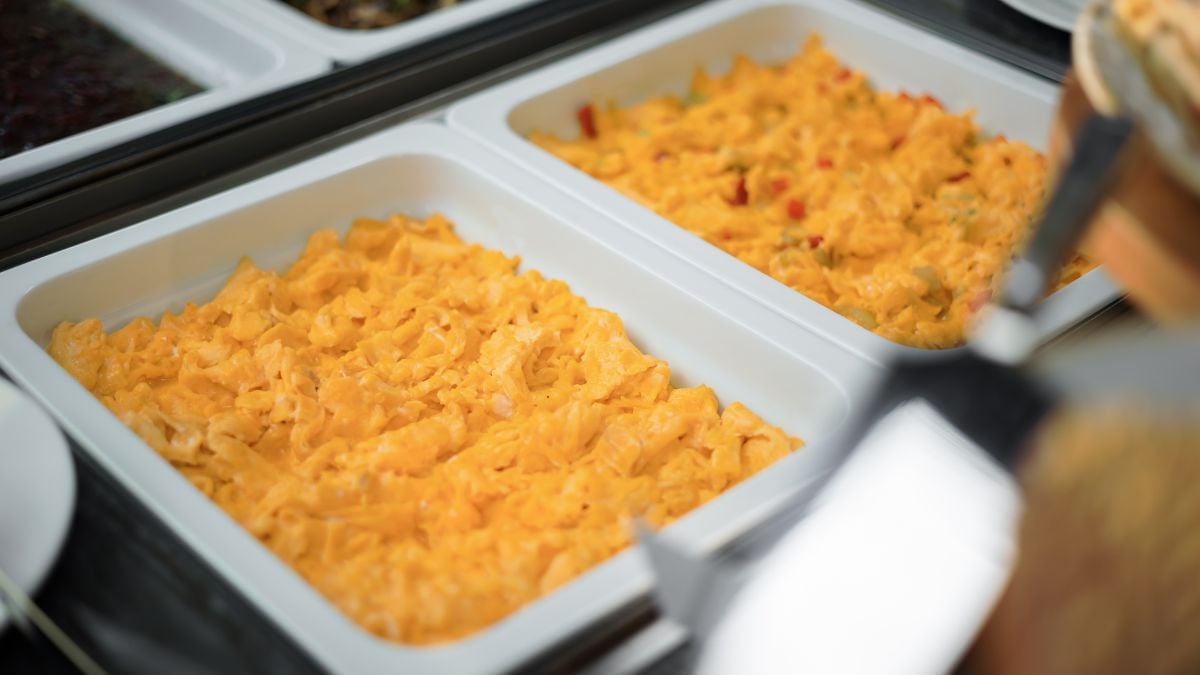
Uniform, pale scrambled eggs are usually a warning sign. Many buffets rely on liquid egg products with preservatives. These eggs are cooked in massive batches and held under steam. The result is often rubbery, watery, and bland. Chefs would rather wait for eggs cracked and cooked fresh at an omelet station.
Buffet Sushi Is About Filling You Up
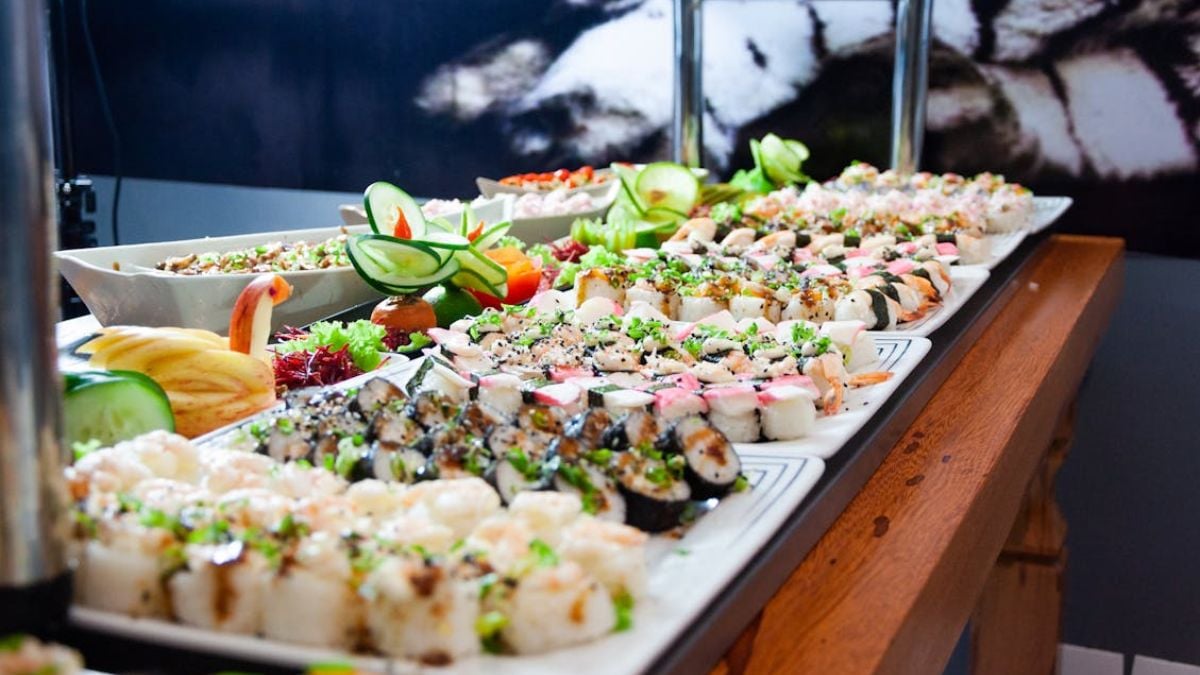
Buffet sushi prioritizes quantity over quality. Chefs avoid it due to both safety and value concerns. Fish often sits at questionable temperatures, while rice dries out quickly. Heavy sauces and extra rice bulk up the rolls cheaply. To professionals, it’s a poor substitute for proper sushi.
Cream-Based Soups Hide Too Much
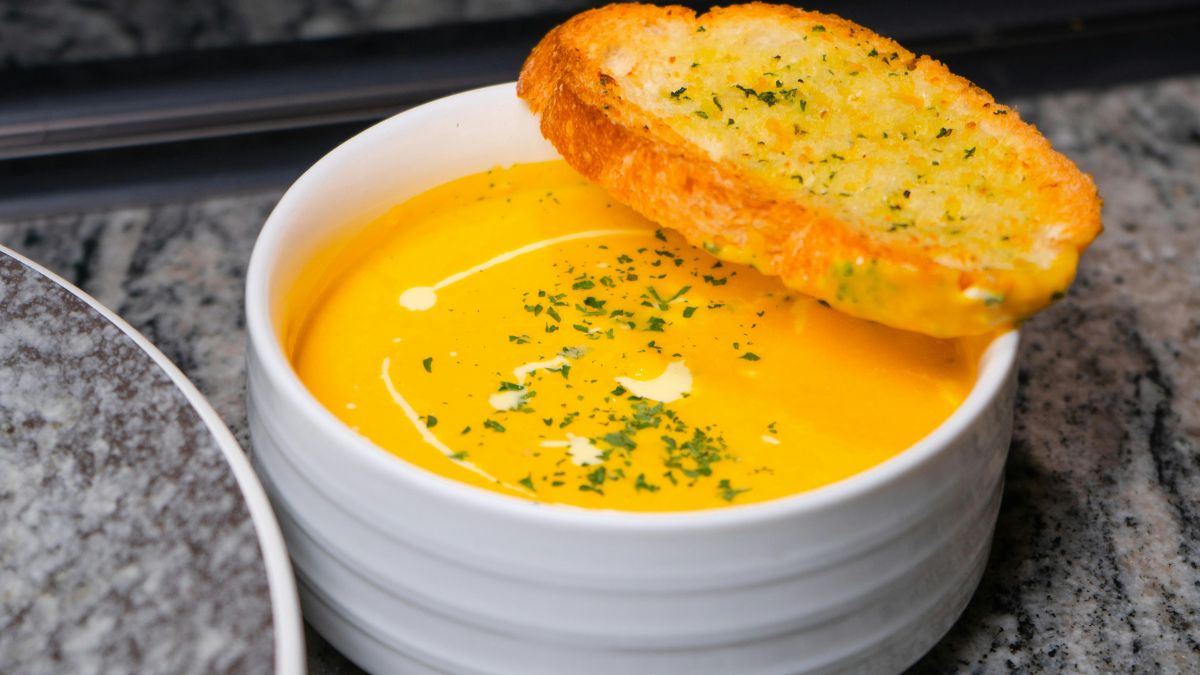
Creamy soups can disguise a lot of low-quality ingredients. Many are made from powdered bases or industrial cans. Thick textures hide scraps that wouldn’t look appealing otherwise. Held too long, these soups often separate into oil and grit. Chefs prefer clear soups where ingredients are visible and fresher.
Dim Sum Suffers Under Steam Baskets
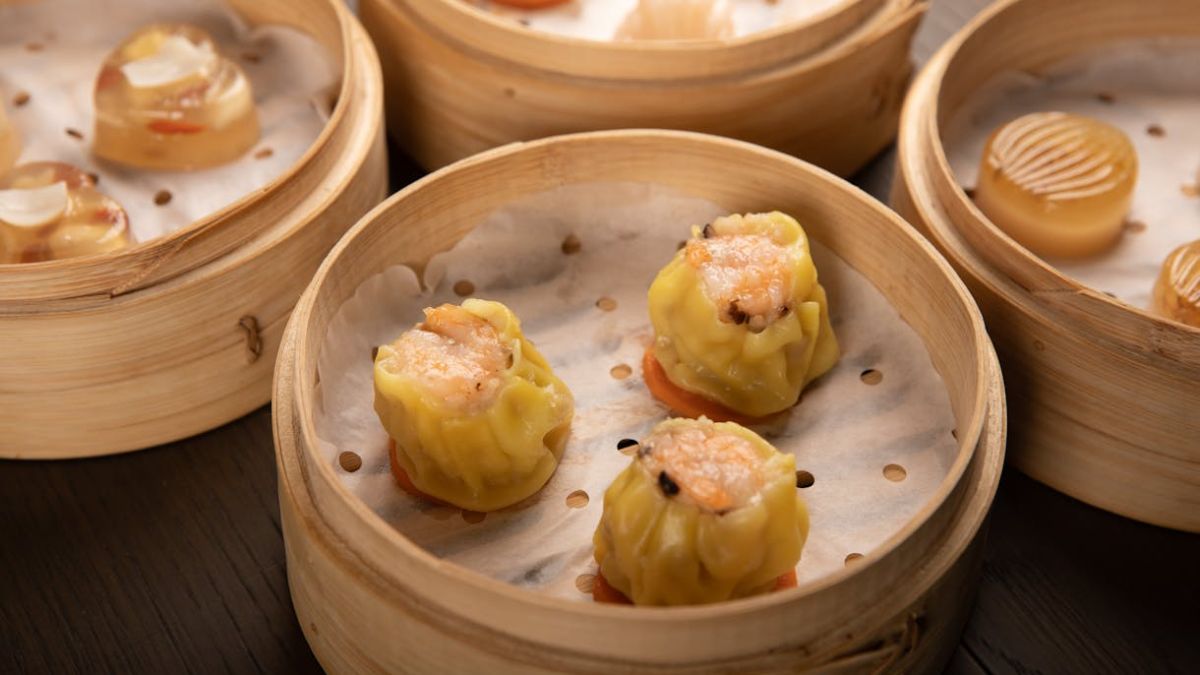
Dim sum is meant to be eaten right after steaming. On buffets, dumplings often sit far too long. Wrappers turn gummy, sticky, or fall apart entirely. Fillings are frequently bulk-produced with lots of fat and binders. Chefs know authentic dim sum rarely survives buffet conditions.
Chocolate Fountains Are a Hygiene Nightmare
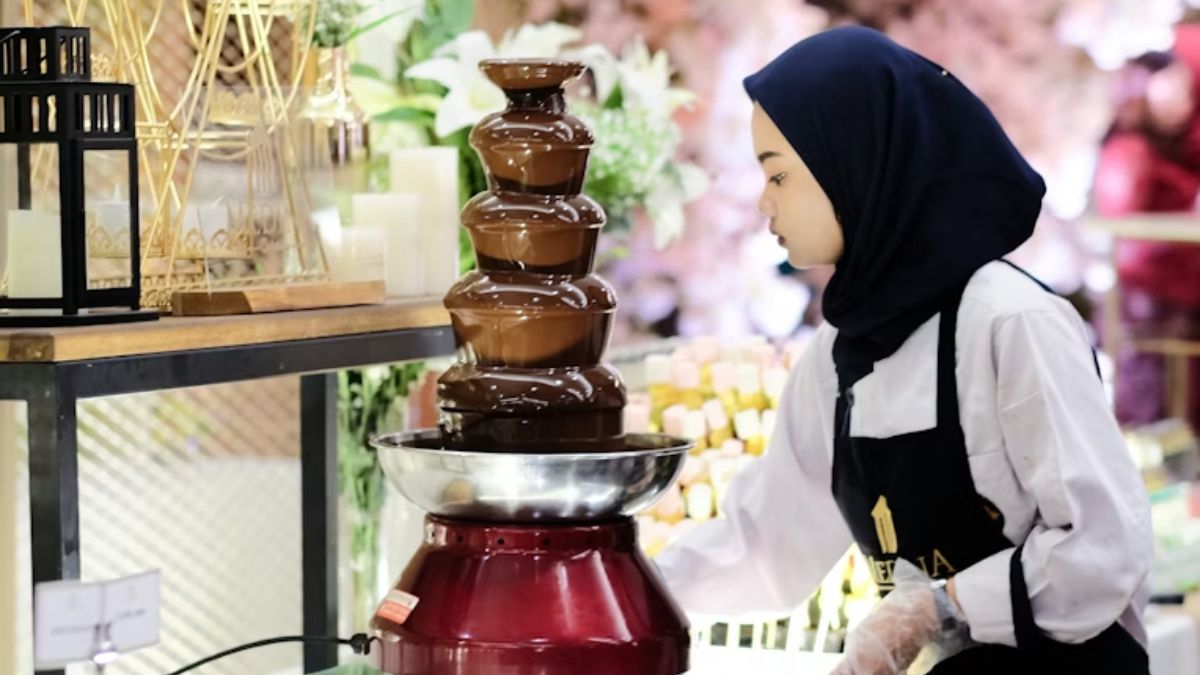
Chocolate fountains look fun but worry chefs the most. They’re difficult to clean and rarely sanitized properly. Open streams invite contamination from guests, especially children. Double-dipping, dropped food, and sneezes aren’t uncommon. Add low-quality chocolate thinned with oil, and chefs stay far away.
Why Chefs Scan Buffets Differently
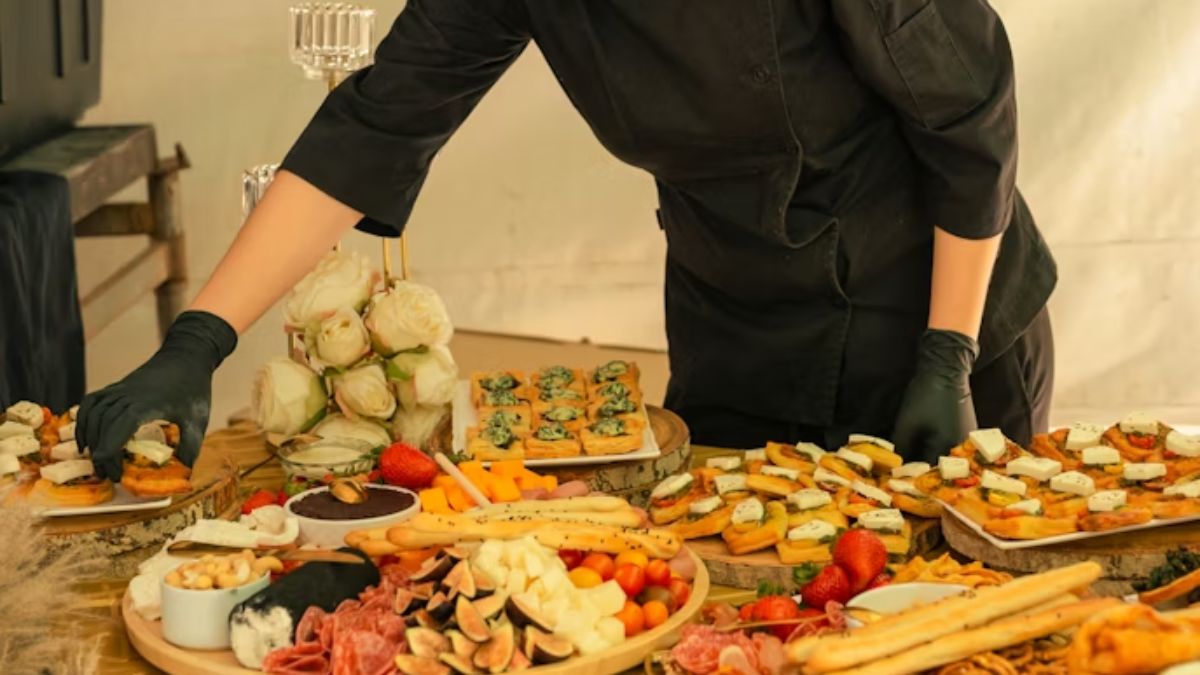
Professional cooks are trained to spot risk instantly. They think about temperature control, ingredient age, and handling practices. Buffets make consistency and safety harder to maintain. While diners focus on value, chefs focus on variables. That experience shapes every choice they make at the table.
What Buffet Items Do You Avoid?
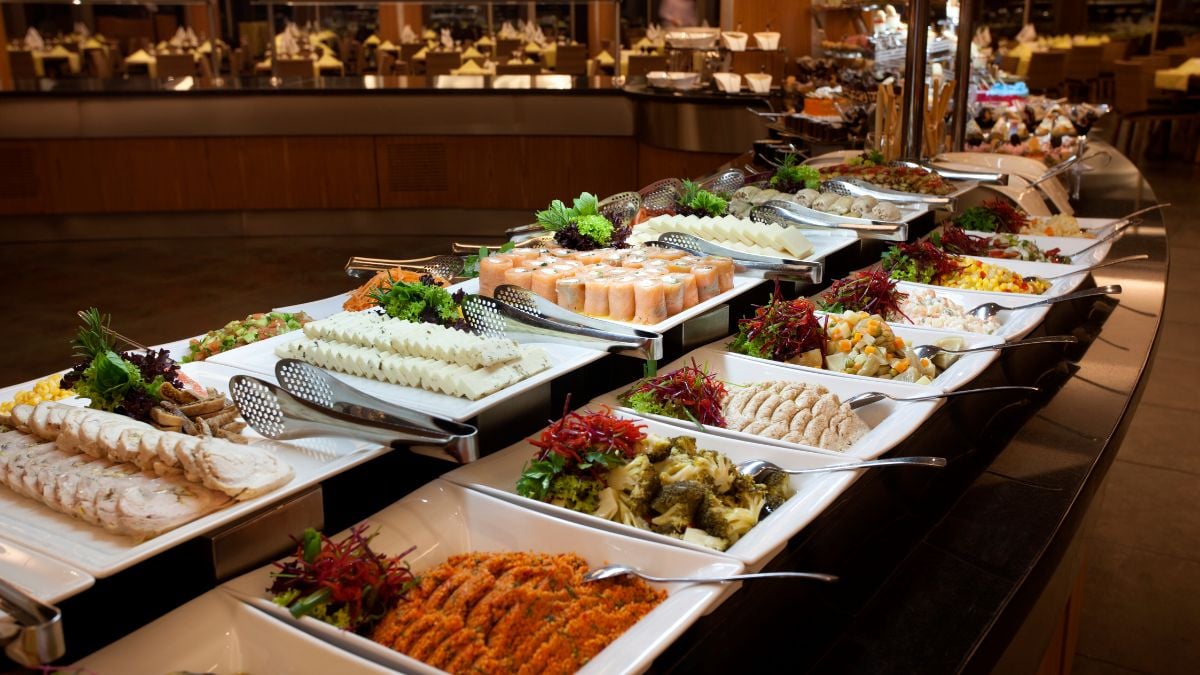
Buffets can still be enjoyable, but knowing what to skip makes a big difference. Chefs avoid items where safety, freshness, or quality are questionable. That doesn’t mean everything is off-limits—it just means choosing wisely. Are there buffet foods you’ve learned to avoid, or favorites you swear by? Drop a comment and share your experience.