When money got tight, dinner tables told the story before anyone said a word. Certain meals appeared only when grocery budgets were stretched thin and creativity had to take over. These weren’t trendy recipes or comfort food chosen on a whim—they were practical, filling, and often repetitive. Kids learned to read the signs quickly, and parents leaned on meals they knew would work. Years later, many of these dishes are remembered with surprising warmth and honesty.
Hot Dogs and Beans Meant a Careful Week

Hot dogs and beans showed up when grocery money was clearly low. A few cans of baked beans and a pack of hot dogs could feed everyone without much planning. Slicing the hot dogs into the beans helped stretch the meal further. White bread usually replaced buns because it was already in the pantry. It wasn’t fancy, but it filled plates and left none behind.
Fried Bologna Doubled as Dinner

Fried bologna sandwiches appeared when lunch meat had to do more than expected. Thick slices were pan-fried until the edges curled and filled the kitchen with a familiar smell. Served on white bread with mustard, it felt more substantial than a cold sandwich. Cleanup was quick, which mattered on stressful nights. It was survival food dressed up as something special.
Plain Noodles Filled Gaps Fast

Egg noodles with butter were a go-to at the end of the week. They cooked quickly and required very little effort or money. Butter, salt, and sometimes pepper were the only seasonings. Bread on the side helped make it feel more filling. It wasn’t exciting, but it quieted hungry stomachs.
Rice Became the Main Event
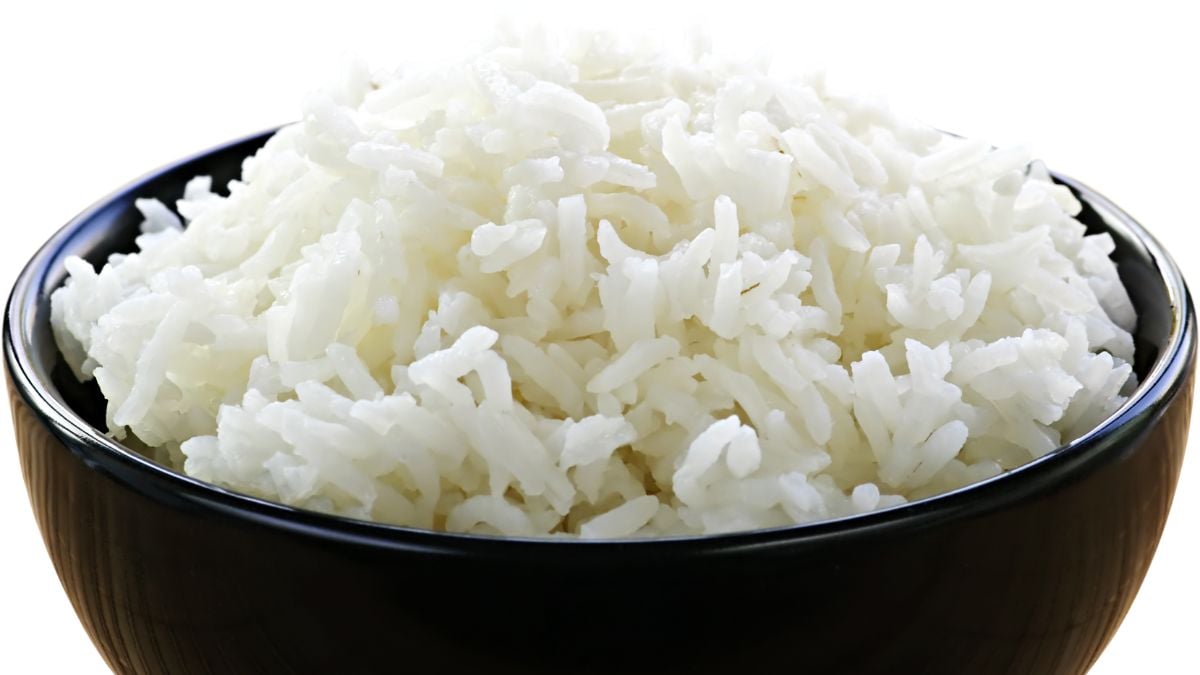
Rice with gravy showed up when the fridge was nearly empty. The rice stretched leftover drippings or canned gravy into a full meal. Sometimes there was nothing else on the plate. It felt hearty even when portions were small. Over time, it became oddly comforting.
Canned Protein to the Rescue
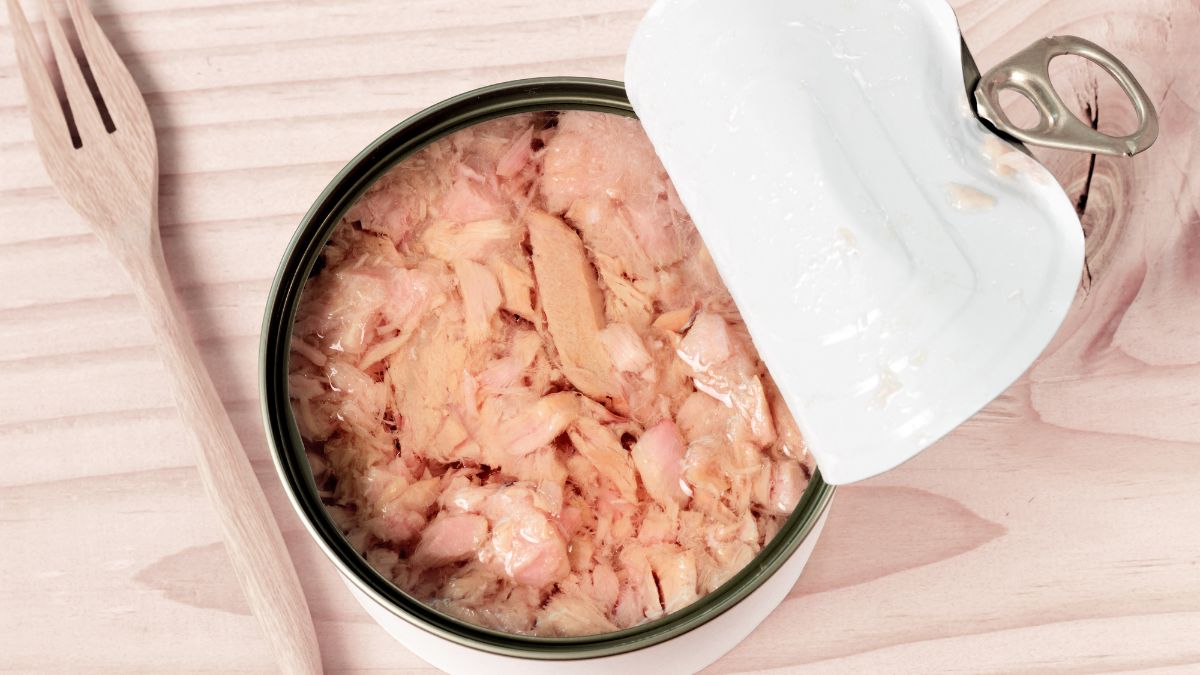
Tuna and peas were pulled straight from the pantry when options were limited. Mixed with pasta or eaten alone, it came together quickly. Mayo or butter tied everything together. Parents leaned on it because it was cheap and filling. The smell alone hinted at a tight grocery week.
Grilled Cheese Felt Like a Treat

Grilled cheese and tomato soup often appeared when money was tight, but no one complained. Bread, cheese, and canned soup were affordable staples. The warmth made the meal feel complete. It worked for lunch or dinner without much effort. Many families remember it fondly now.
Potatoes and Onions Always Delivered

Potatoes and onions were cheap, dependable, and filling. Fried or baked, they filled the kitchen with a familiar smell. Sometimes eggs were added, sometimes not. Parents appreciated how far a bag of potatoes could stretch. Kids knew it meant the grocery run was overdue.
Ramen Became a Lifeline
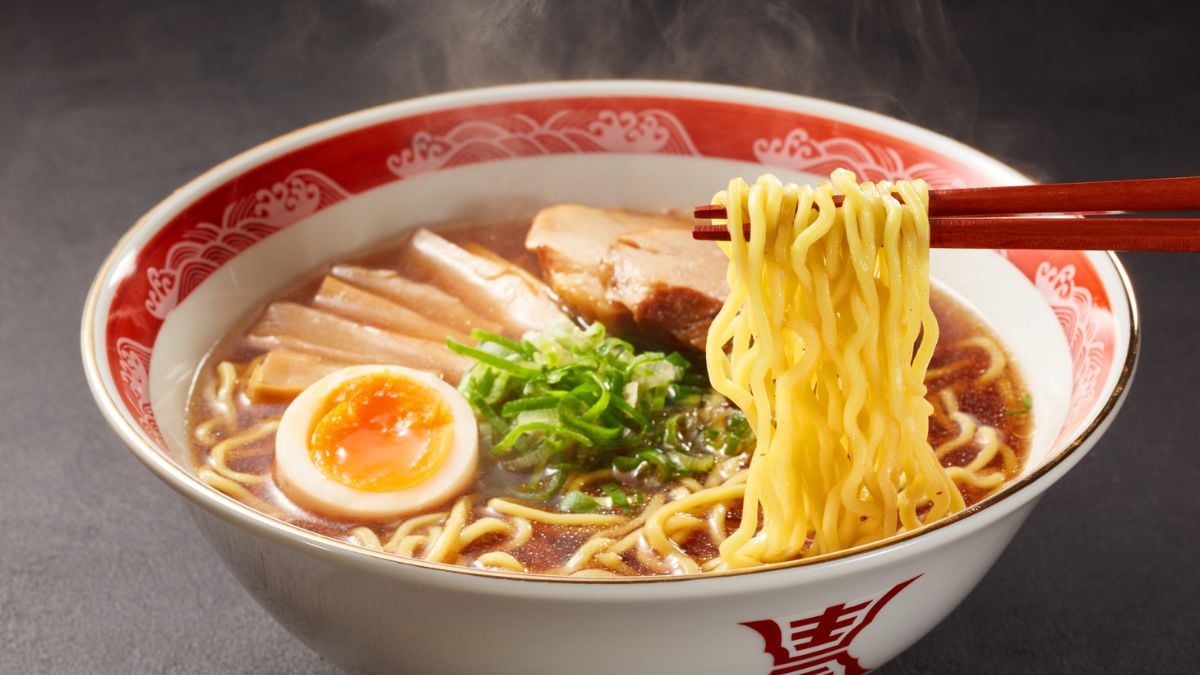
Ramen noodles were the ultimate stretch meal. One packet could be bulked up with eggs or vegetables. The seasoning packet did most of the work. It was fast, cheap, and filling. Over time, it became a pantry staple rather than a last resort.
Creamed Beef Marked Lean Times
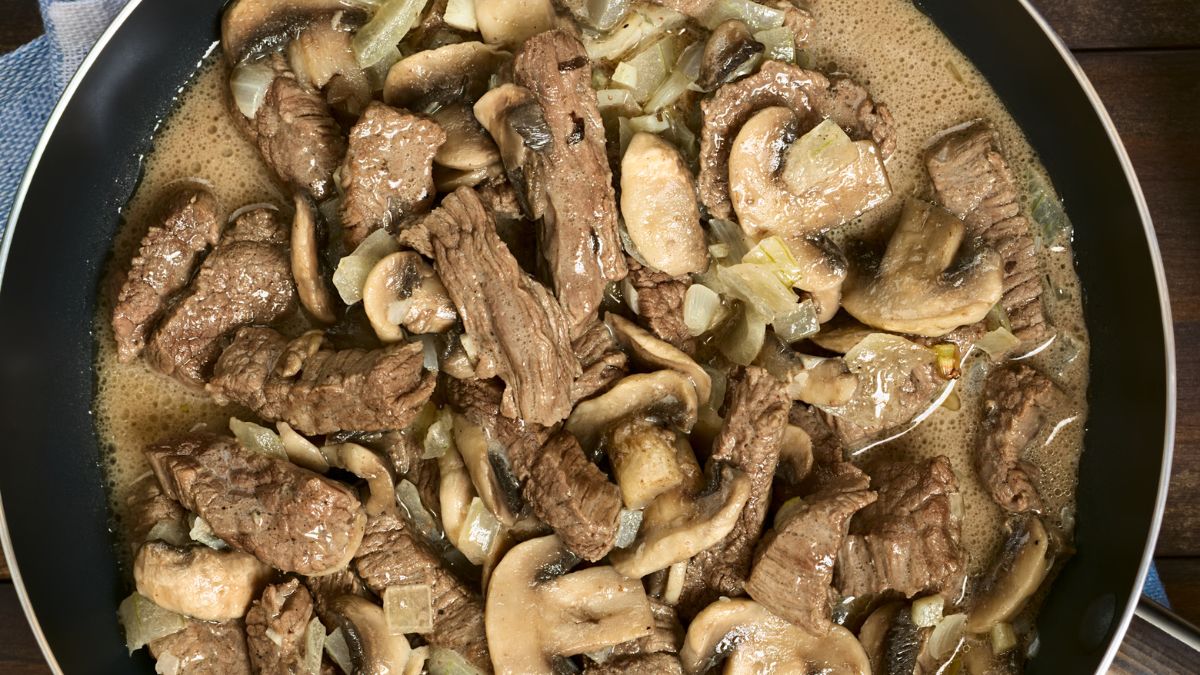
Creamed chipped beef on toast felt old-fashioned even then. Dried beef and white sauce stretched easily over bread. It was filling and inexpensive, even if kids didn’t love it. Usually served alone, it required little cleanup. Today, it’s remembered as a clear sign of tight budgets.
Breakfast for Dinner Wasn’t Random

Pancakes for dinner often meant groceries were running low. Pancake mix was cheap and filled everyone quickly. Syrup made it feel fun instead of frugal. Eggs and bacon were sometimes skipped entirely. Parents framed it as a treat, and kids happily agreed.
Bare-Bones Pasta Showed Up Late Month

Macaroni with milk and butter wasn’t boxed mac and cheese. Plain pasta, milk, and butter made a simple, creamy dish. Salt and pepper were usually the only seasoning. It filled bowls fast at the end of the month. Everyone understood what it meant.
Everything Soup Saved the Day
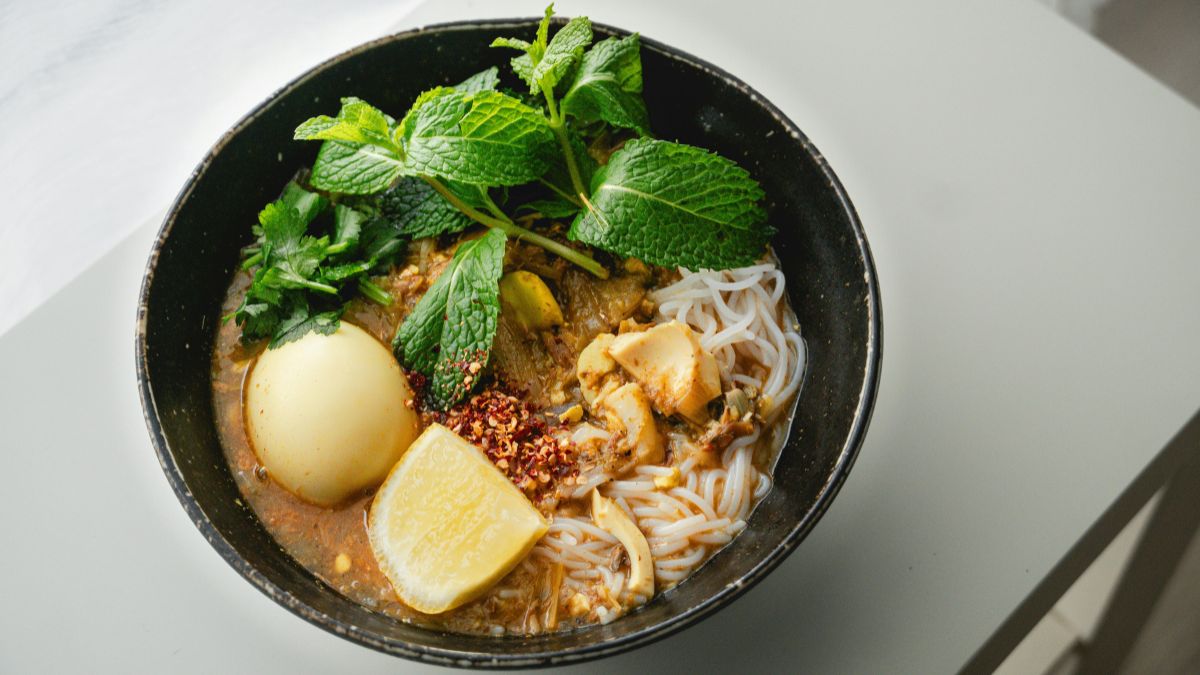
Soup made from leftovers turned scraps into dinner. Bits of meat, vegetables, and broth went into one pot. The flavor changed every time. Parents called it resourceful cooking. It fed everyone without spending extra money.
Bread-Based Dinners Filled Bellies
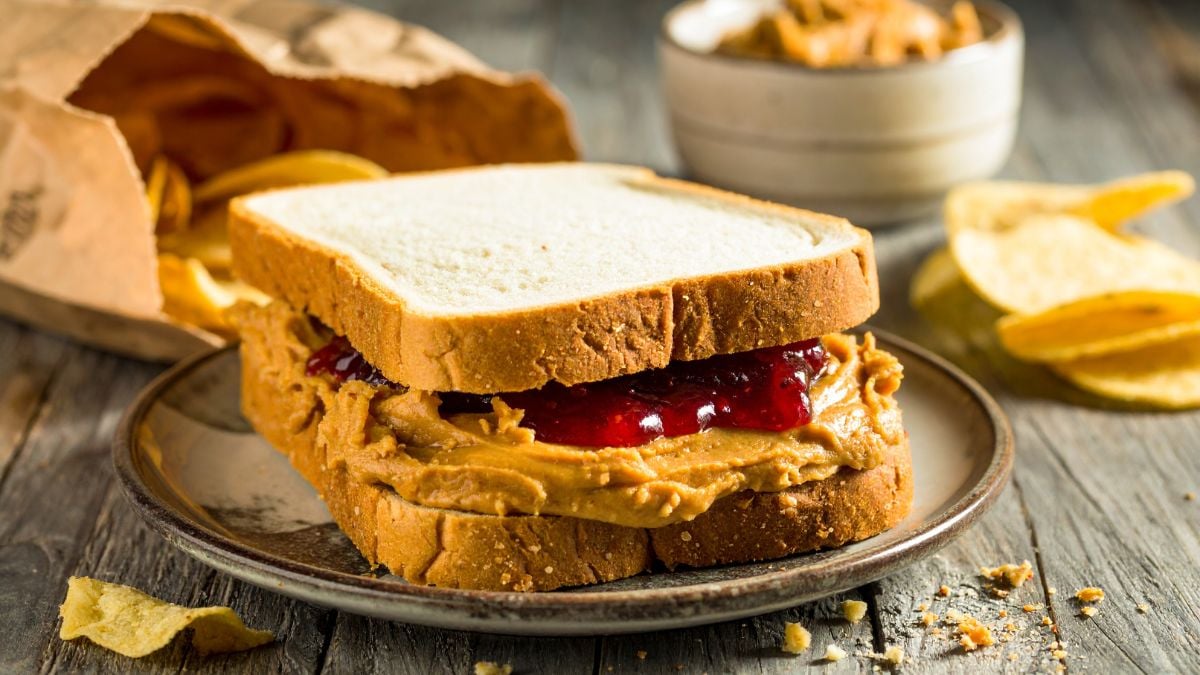
Peanut butter sandwiches, milk toast, and biscuits with gravy all relied on pantry staples. These meals were quick, filling, and familiar. Gravy made from scraps helped stretch bread even further. They weren’t exciting, but they worked. No one talked about them outside the house.
Simple Grains Carried the Load
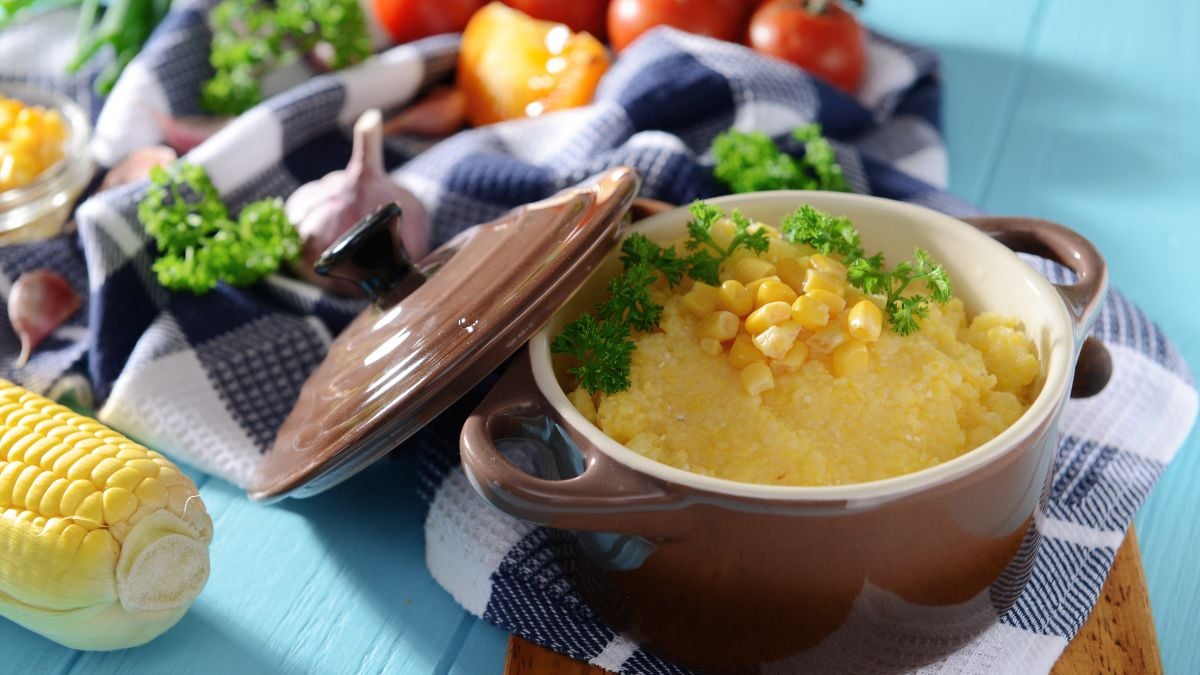
Cornmeal mush and white rice with soy sauce showed up when options were scarce. Both were cheap, filling, and easy to make. Butter or syrup helped with flavor. These meals were about survival, not enjoyment. Many people remember them clearly decades later.
The Meals That Quietly Held Families Together

These dinners weren’t about taste or presentation—they were about making it through the week. They kept families fed when money was tight and options were limited. Today, they live on as memories of resilience and resourcefulness. Did your family rely on any of these meals, or was there another budget dinner we didn’t cover? Share your story in the comments and let us know which one you still remember most.