There was a time when dim lighting, cloth napkins, and endless breadsticks meant you were dining somewhere special. For many boomers, these restaurants still signal celebration and comfort. For Gen Z, the same places spark memes and instant rejection. The generational dining divide is awkward, funny, and very real.
When “Nice” Meant Familiar

Boomers associated recognizable chains with quality, safety, and reliability. These restaurants hosted milestones like prom dinners and anniversaries. The experience mattered as much as the food. Gen Z prioritizes novelty over nostalgia.
Olive Garden Lost Its Magic
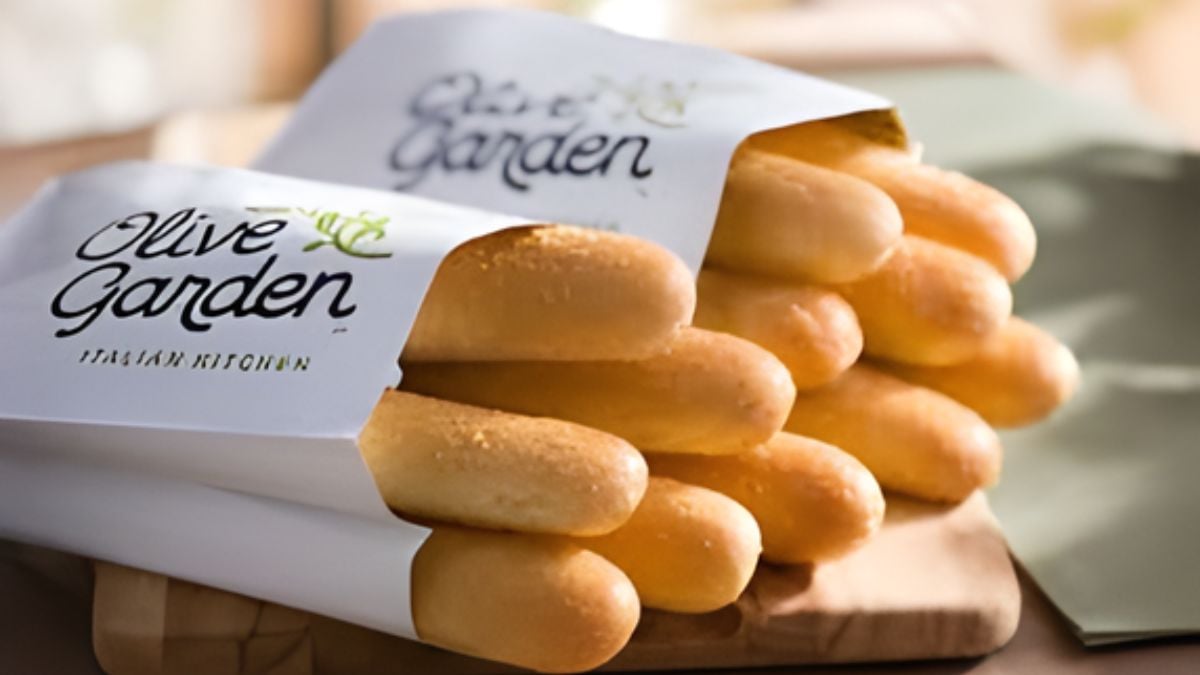
Unlimited breadsticks once felt luxurious, placing Olive Garden between casual and upscale dining. Boomers embraced its faux-Tuscan charm. Gen Z sees the aesthetic as hollow and prefers local spots or delivery-based feasts.
Red Lobster No Longer Feels Fancy
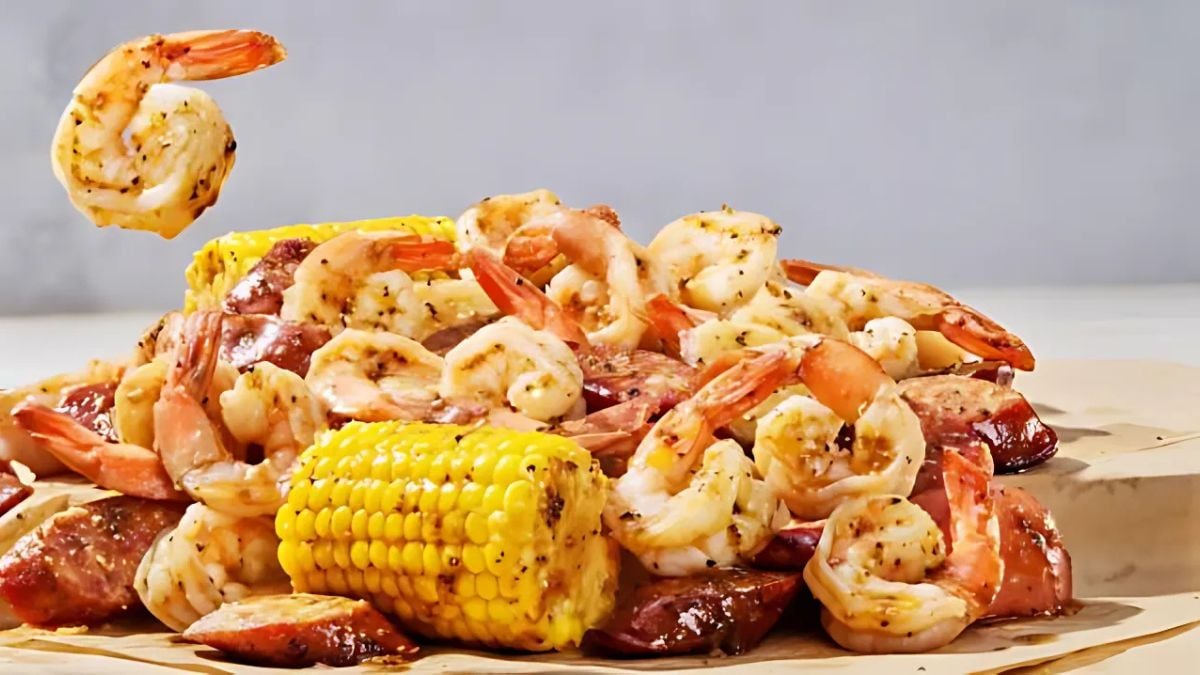
Red Lobster once symbolized a seafood splurge, especially inland. The biscuits and nautical theme added excitement. Gen Z is more focused on sustainability and affordable, high-quality seafood. The old charm now feels staged.
Applebee’s Became a Punchline
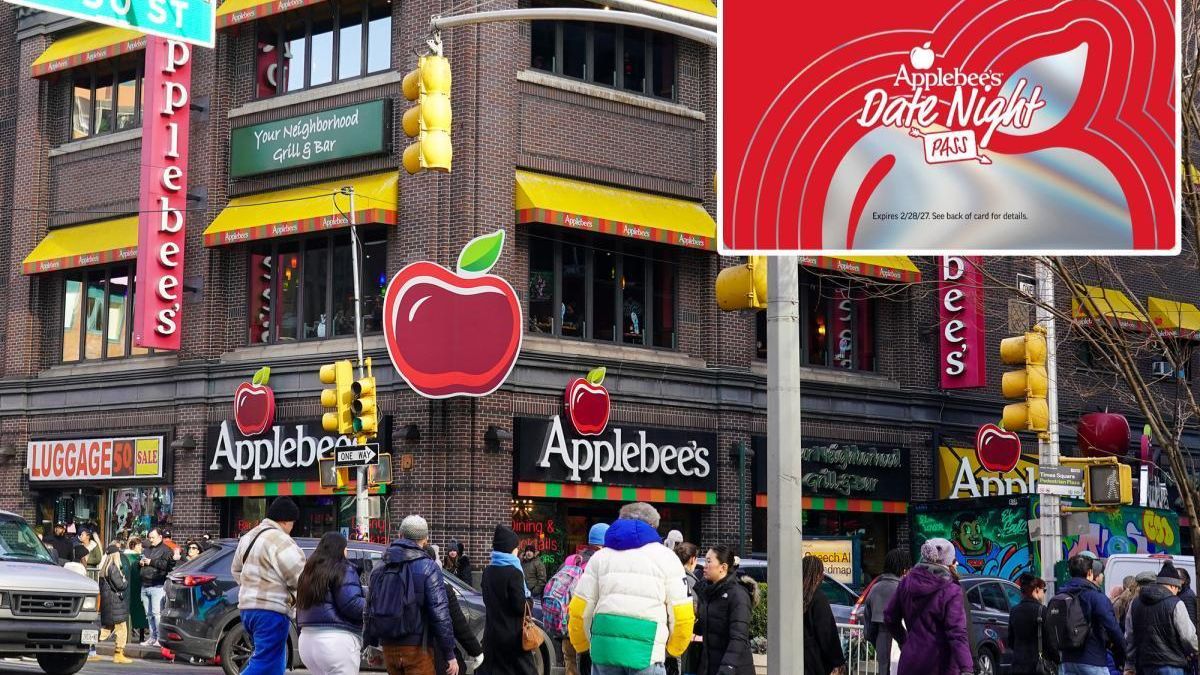
Applebee’s was once a neighborhood staple for date nights and sampler platters. Today, it’s often mocked online. Gen Z associates it with microwaved food rather than meaningful dining experiences.
Ruby Tuesday’s Salad Bar Era Ended
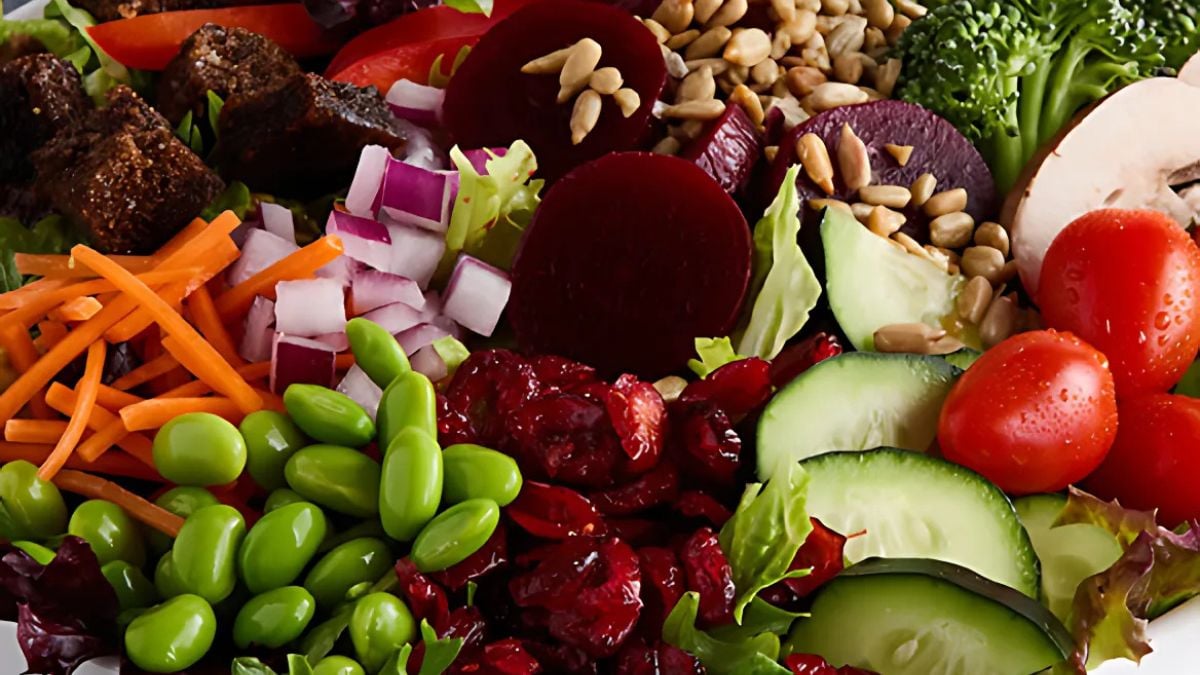
The salad bar once represented abundance and choice. Boomers loved the variety and dark wood interiors. Gen Z views shared food stations as messy and unhygienic. Quick, customizable bowls delivered to their door feel smarter.
Cheesecake Factory’s Menu Overload
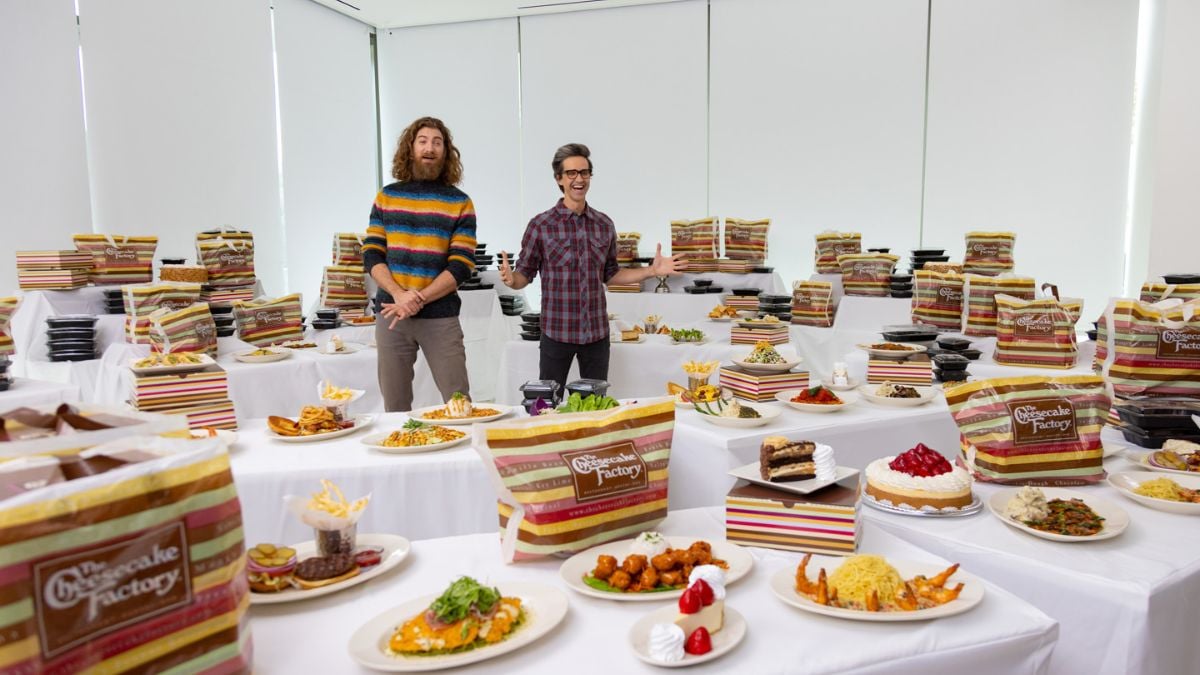
A massive menu once meant value and inclusivity. Boomers appreciated oversized portions and leftovers. Gen Z finds the menu overwhelming and unfocused. Choice fatigue has replaced excitement.
Nostalgia vs. Social Currency

These restaurants carry personal meaning for boomers. For Gen Z, they lack social payoff. Dining doubles as content and identity. If it’s not post-worthy—or becomes meme material—it’s skipped.
The DoorDash Effect
Gen Z doesn’t expect one restaurant to do everything. Ordering from multiple apps offers control and variety. A curated meal at home can feel more special than a chain dining room. Convenience often beats tradition.
Is “Nice” Officially Redefined?
What once felt upscale now feels outdated to younger diners. These restaurants still matter to boomers, but Gen Z defines “nice” differently. Dining has shifted from destination to experience—or delivery.