Buffet restaurants were once social rituals built around abundance, comfort, and affordability. For Boomers, these chains defined family outings, road trips, and celebrations. As dining habits shifted, many of these once-packed dining rooms faded into nostalgia.
Old Country Buffet’s Homestyle Comfort
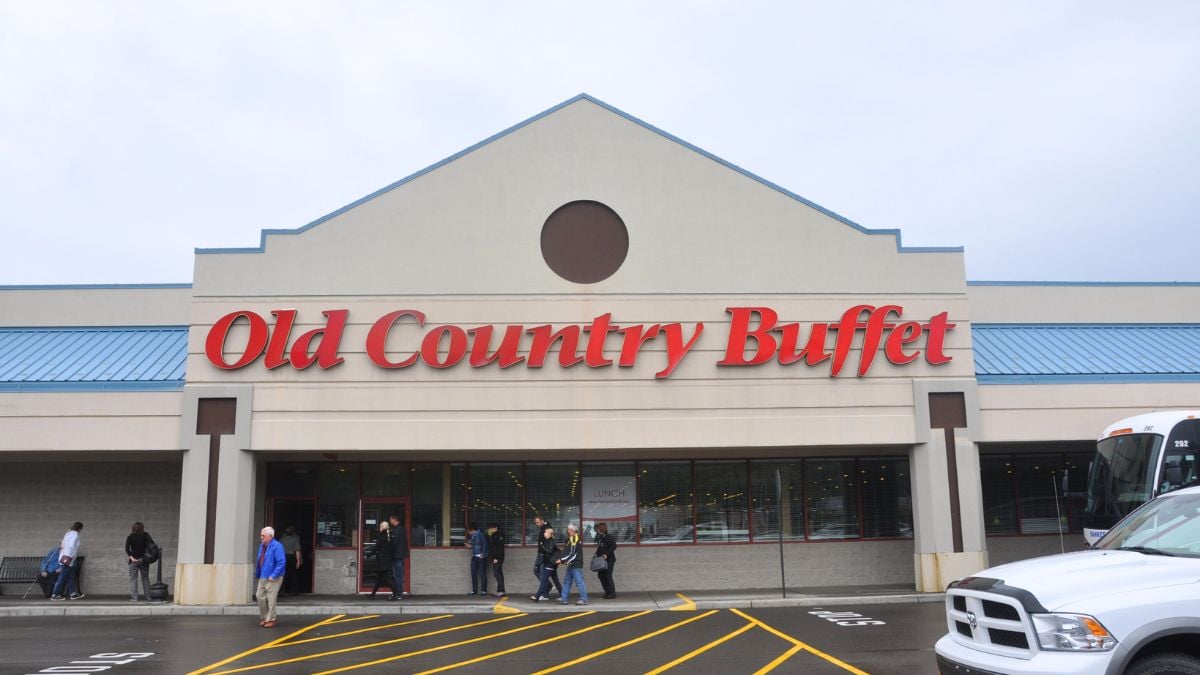
Old Country Buffet offered hand-carved meats, fried chicken, and build-your-own desserts. Quantity-first comfort defined the brand. As tastes shifted toward fresher, faster meals, the chain struggled and effectively ended after its parent company filed for bankruptcy in 2021.
Ryan’s and the Legendary Mega Bar
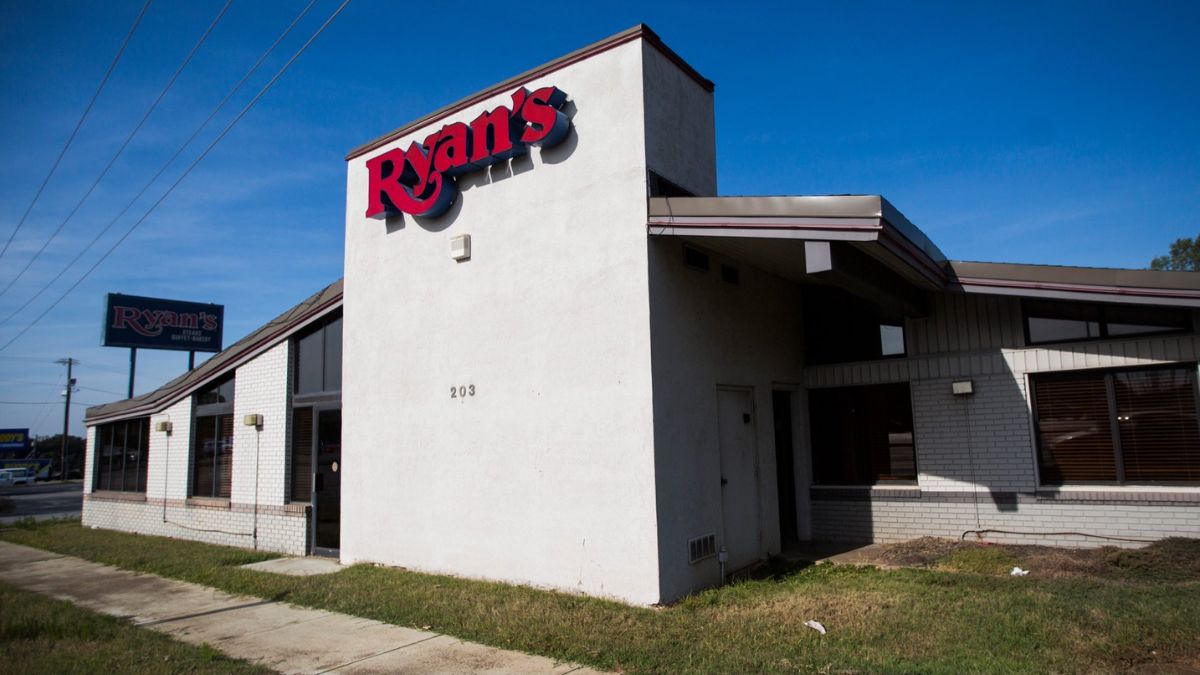
Ryan’s was known for massive buffet spreads featuring steak, pizza, tacos, and desserts. It thrived with large families and hungry teenagers. Corporate missteps and declining buffet interest led to sudden mass closures in 2016.
Ponderosa and Bonanza’s Budget Steakhouse Appeal
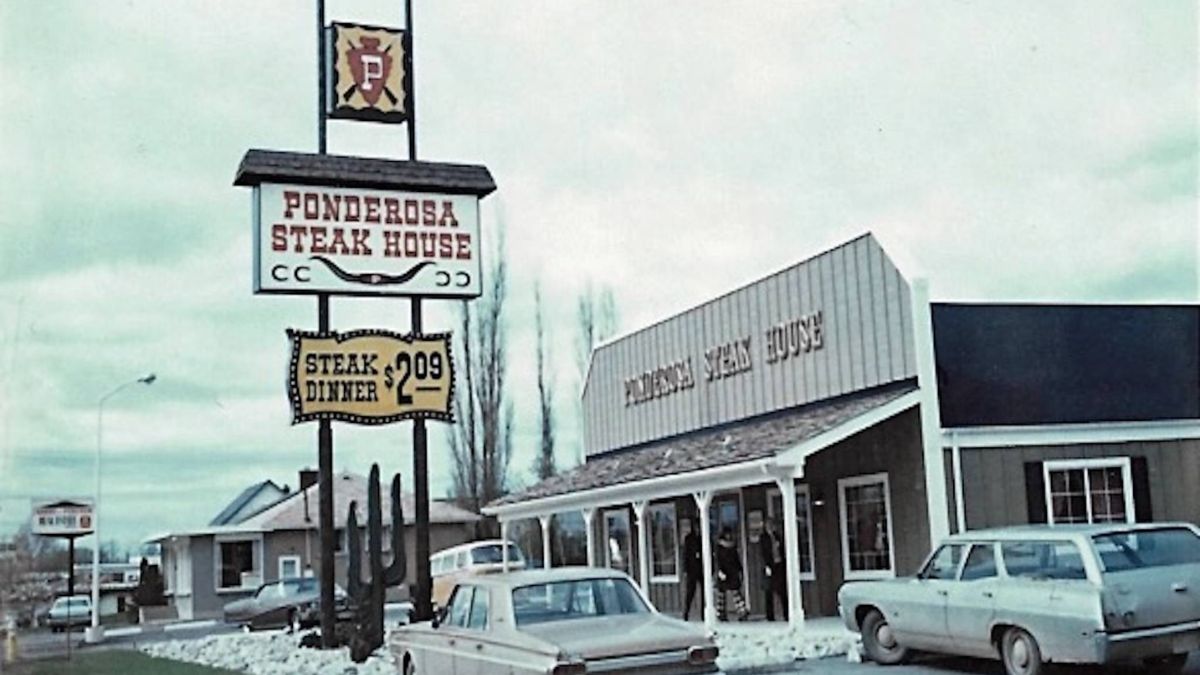
These twin chains offered affordable steaks paired with standout salad bars. They made celebrations feel special without high prices. Changing diets and industry consolidation reduced them from nearly 700 locations to just a few dozen worldwide.
Shoney’s Breakfast Bar Memories
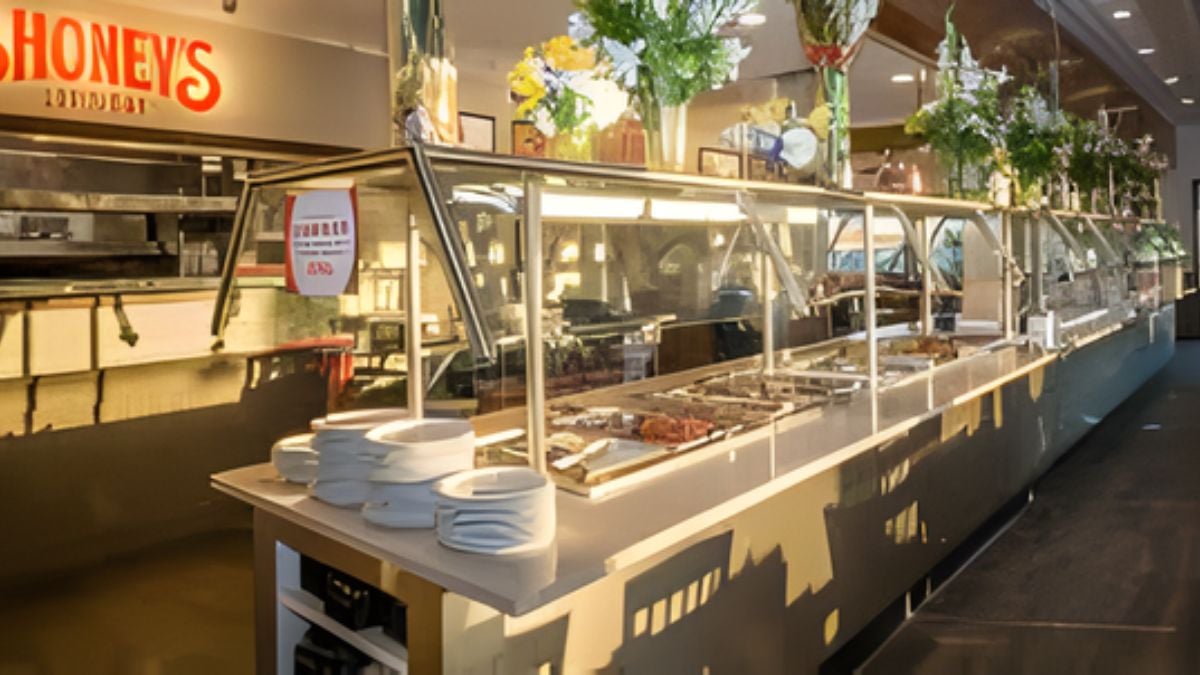
Shoney’s became a road-trip staple with its popular Breakfast Bar and nostalgic Big Boy statues. Legal disputes and restructuring caused widespread closures. Today, only a small number of locations remain.
Golden Corral’s Staying Power
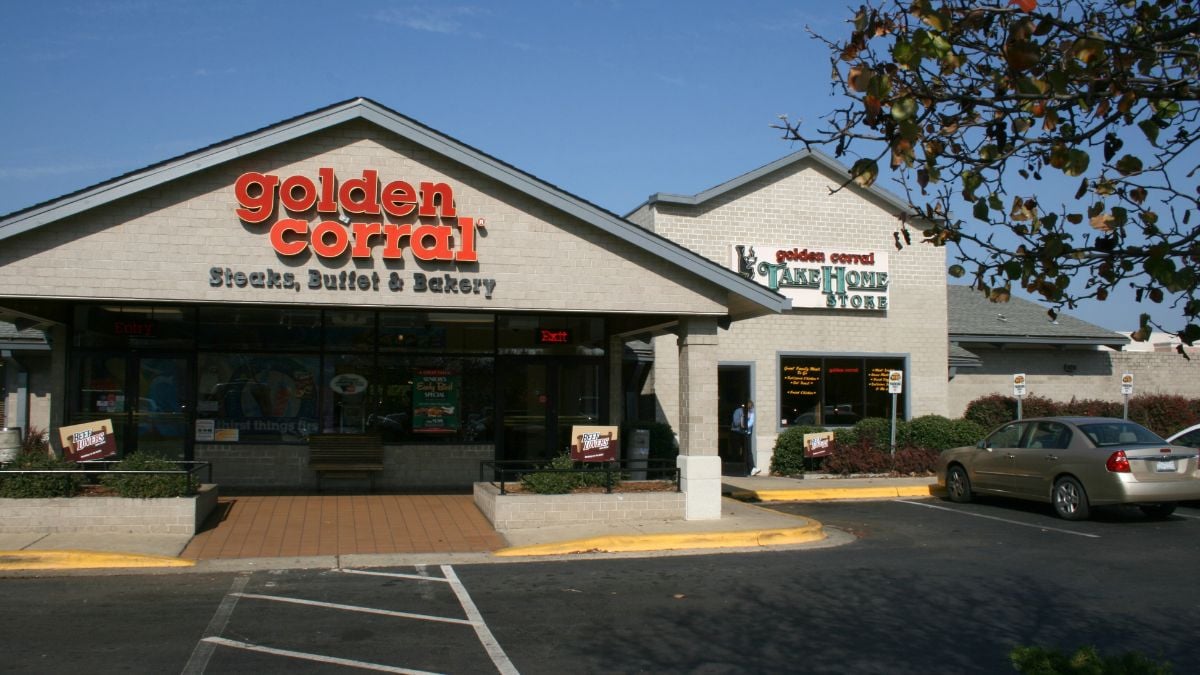
Golden Corral remains one of the last major buffet chains still operating widely. Its broad breakfast and dinner offerings continue to attract loyal diners. For many Boomers, it represents the final holdout of classic buffet dining.
Sizzler’s Salad Bar Glory Days
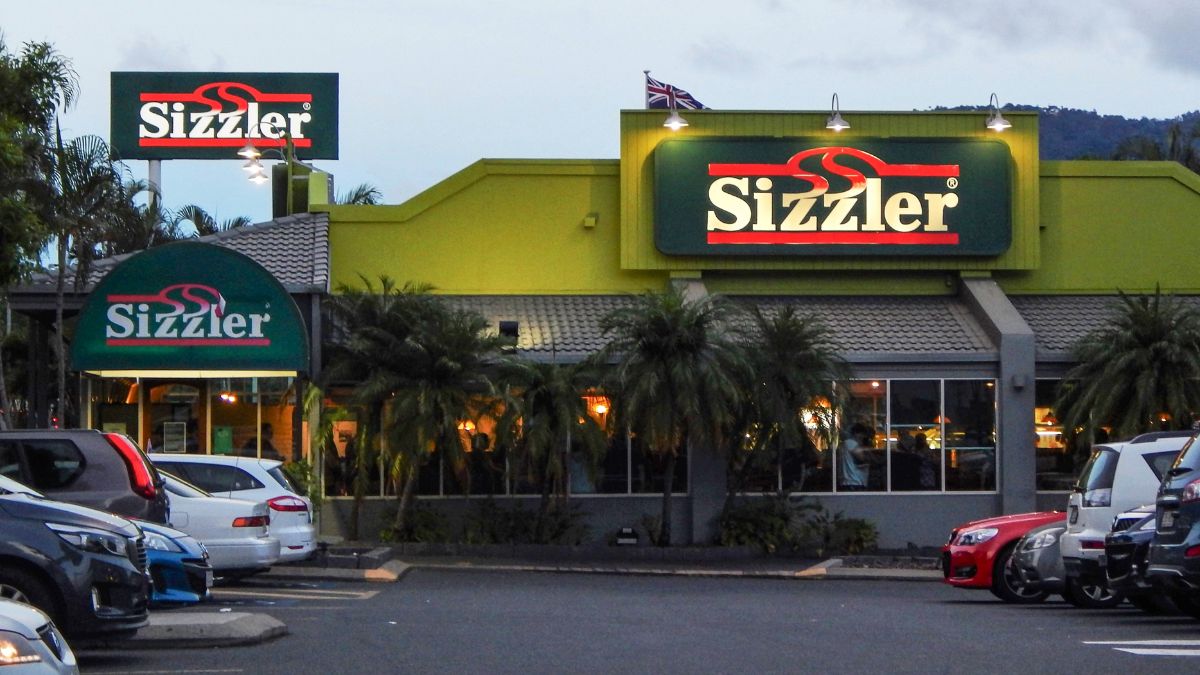
Sizzler bridged fast food and sit-down dining with its salad bar, Malibu Chicken, and shrimp promotions. Once considered affordable upscale, its appeal faded with younger diners. Financial pressure led to repeated restructuring, including a Chapter 11 filing in 2020.
Furr’s Fresh Buffet and Cafeteria Classics
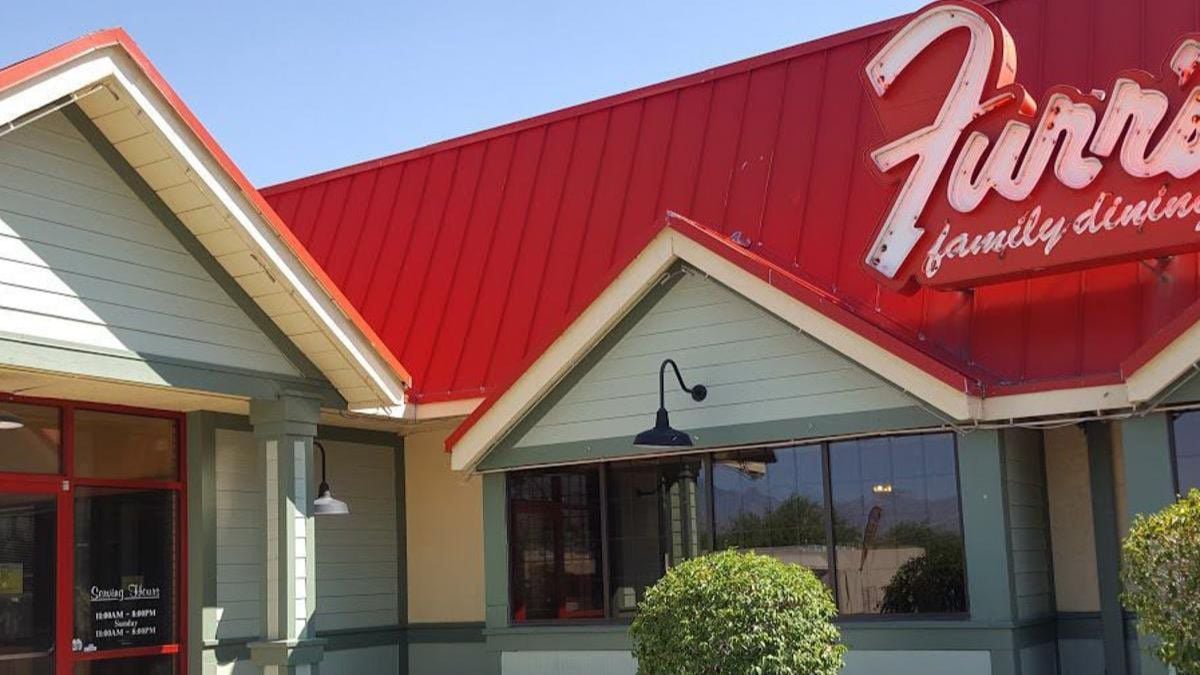
Furr’s cafeteria-style service let diners see dishes before choosing. Jell-O salads and carved meats attracted loyal older customers. Years of financial strain and pandemic-era self-service restrictions led to permanent closures in 2021.
When Quantity Lost to Quality
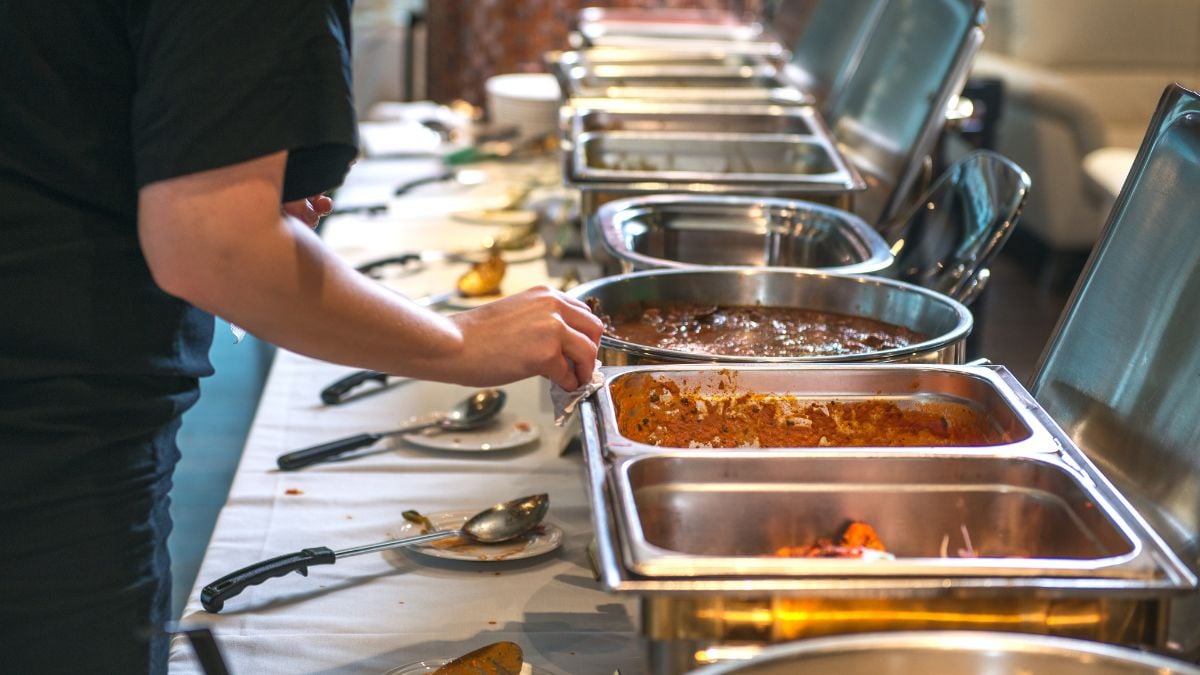
Diners began favoring fresher ingredients over massive selections. Fast-casual dining offered speed and customization. Traditional buffet food started to feel outdated to younger generations.
Rising Costs Broke the Math

Rising food prices made all-you-can-eat models risky. Increasing prices undermined the value appeal, leaving operators stuck between cutting quality or losing customers.
Hygiene Concerns Changed Everything
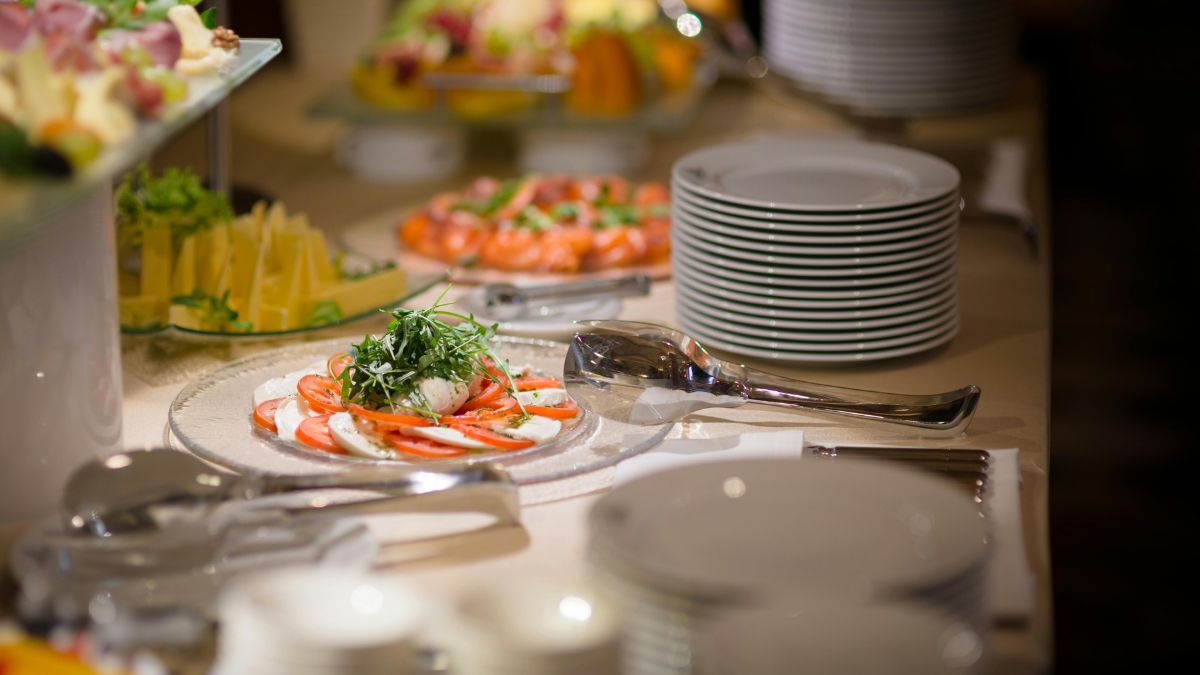
Shared utensils raised concerns even before the pandemic. Lockdowns made self-service nearly impossible. Many buffet chains never recovered once communal dining fell out of favor.
A Vanished Way of Eating Together
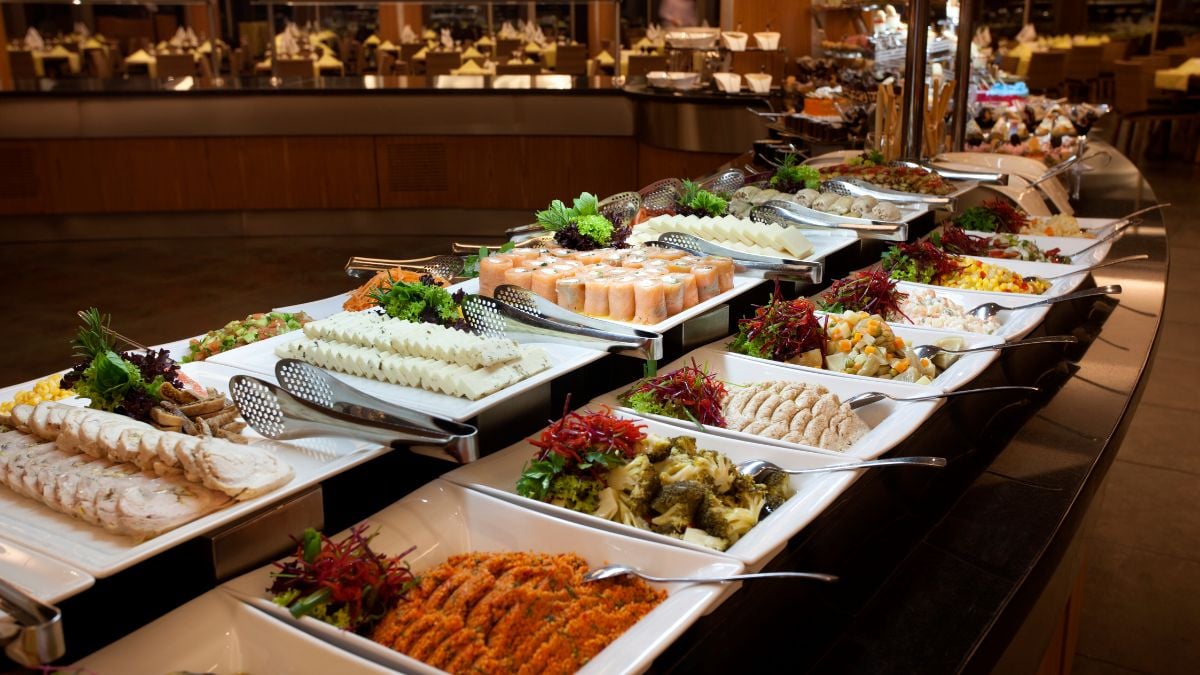
These buffets weren’t just about unlimited food—they were about gathering without pressure. While a few names still linger, the golden age of buffet dining is largely over.