It’s the end of the line for Sticky Fingers Rib House, the once-famous Southern barbecue chain that defined comfort food in Charleston for more than three decades. Known for its smoky ribs, tangy sauces, and that unmistakable down-home charm, the brand has officially closed all remaining restaurants. From celebrity diners to lawsuits and a pandemic stumble, Sticky Fingers’ story is a classic rise-and-fall saga. But while its dining rooms have gone dark, one part of its legacy still lingers — right there in your local grocery aisle.
Born in the Heart of the Lowcountry
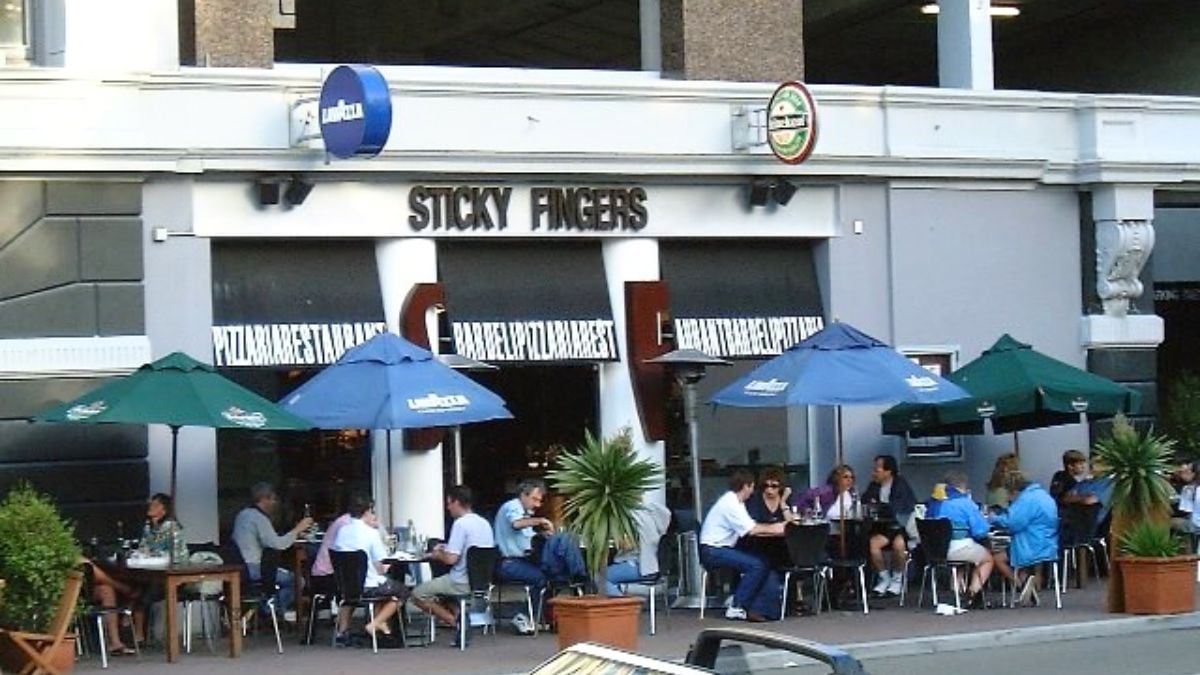
Sticky Fingers fired up its first grill in Mount Pleasant, South Carolina, in 1992. Three friends — Jeff Goldstein, Todd Eischeid, and Chad Walldorf — dreamed of bringing Memphis-style barbecue to the Lowcountry. The concept took off fast, blending Southern hospitality with slow-smoked flavor that Charleston didn’t know it was missing. It wasn’t just a restaurant — it became a ritual.
Sauce So Good It Became a Signature
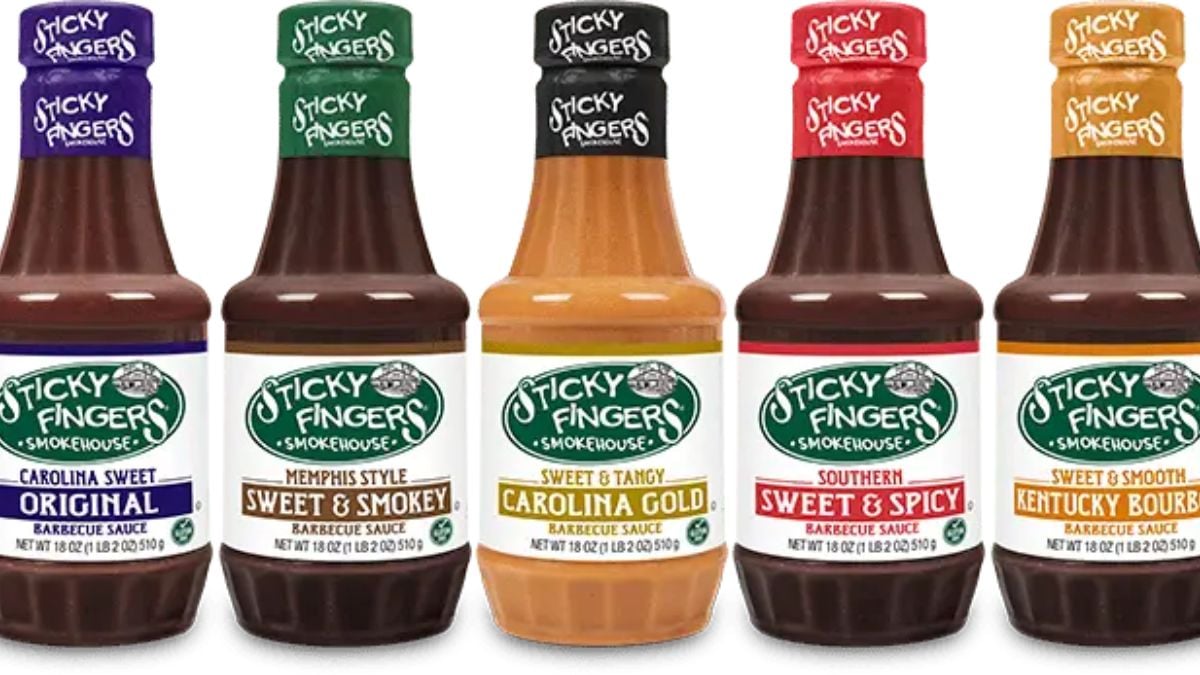
From sweet to spicy to smoky, Sticky Fingers’ lineup of sauces became the stuff of legend. Regulars stocked up on bottles, while tourists tucked them into suitcases as edible souvenirs. The flavors had a loyal following that often rivaled the ribs themselves. Even now, those same bottles are the only surviving piece of the Sticky Fingers empire.
A Place Where Celebrities Pulled Up a Chair

At its peak, the chain wasn’t just for locals — it drew stars. George W. Bush dined there with Senator Lindsey Graham. John Goodman, Keb’ Mo’, and even Stephen Colbert were known fans. For many, those famous faces made the Meeting Street location feel like Charleston’s unofficial barbecue capital.
Named After a Rock Album, Fueled by Friendship
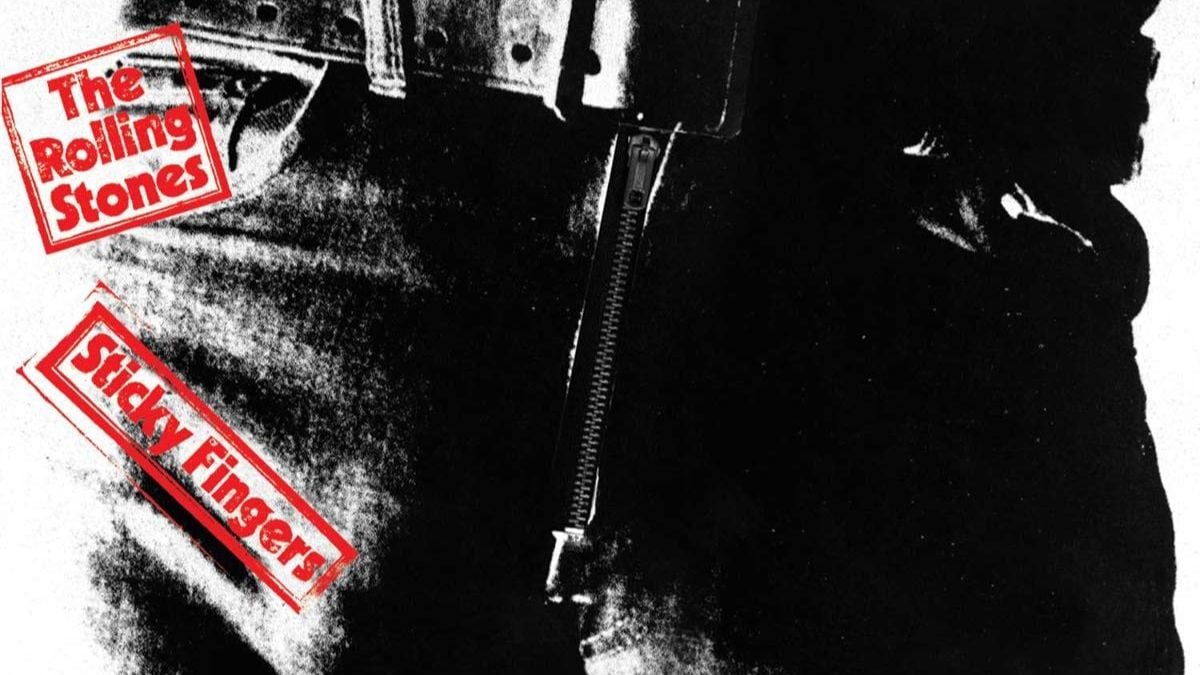
The restaurant’s name came straight from the Rolling Stones’ 1971 classic Sticky Fingers. It reflected exactly what the founders wanted: food that got messy, laughter that got loud, and memories that stuck. Their friendship gave the place soul — and it showed in every rack of ribs served.
Rapid Growth, Rising Cracks

As word spread, new investors jumped in. A Virginia-based firm took over in 2006, and that’s when the cracks began to show. Expansion became the focus, not flavor. Customers noticed. What had once felt like a hometown joint suddenly felt corporate — and a little colder.
A Legal Battle Over the Name
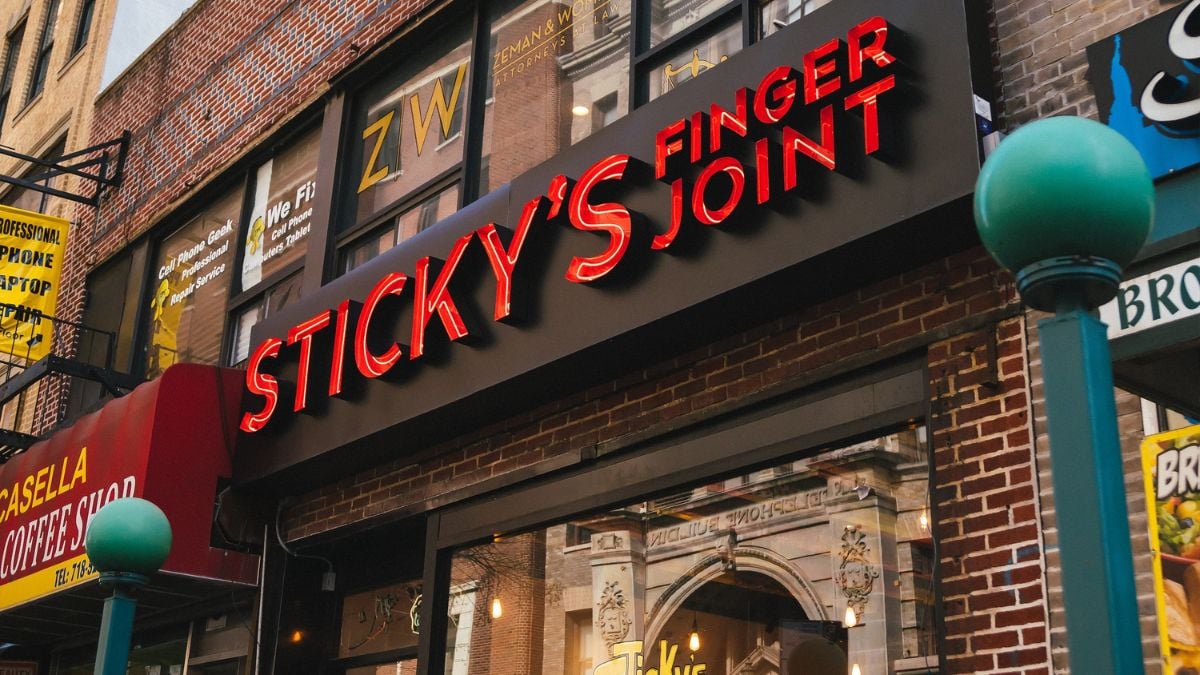
In 2022, Sticky Fingers tried to protect its legacy by suing a New York chain called Sticky’s Finger Joint for trademark infringement. The irony? Within a few years, both brands were struggling to stay open. The court case became one of the last big public moves Sticky Fingers ever made.
When the Pandemic Hit, the Pit Went Cold
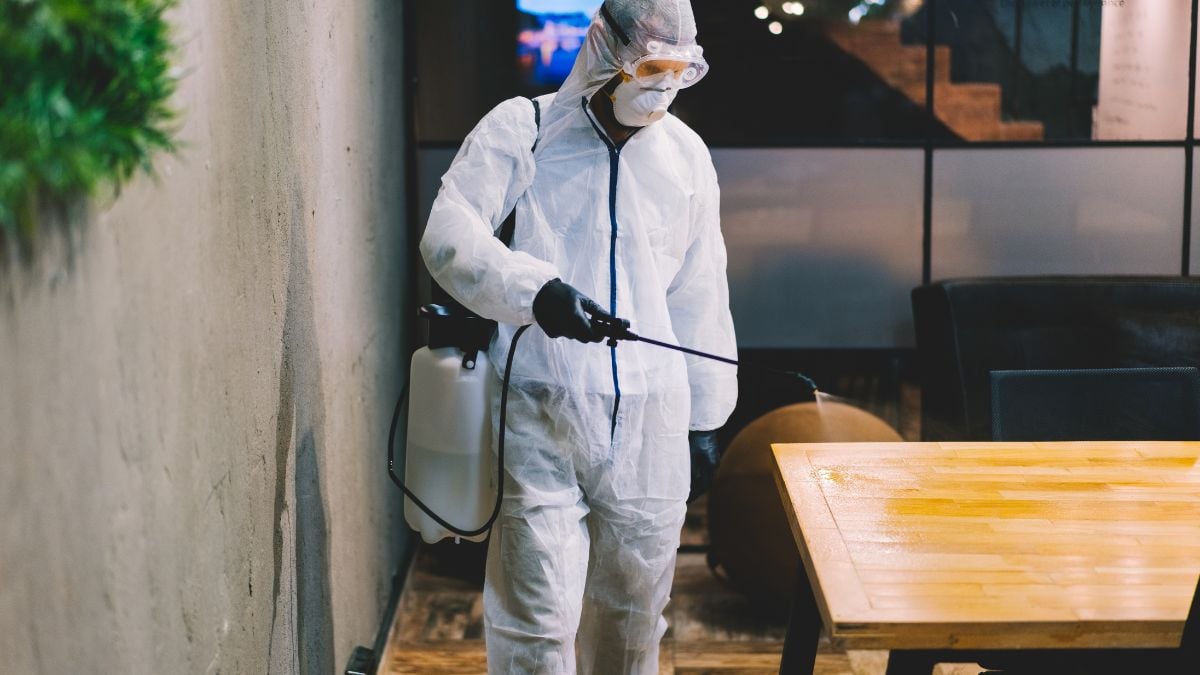
Like many restaurants, Sticky Fingers tried to hold on during the pandemic with takeout and limited service. But the timing couldn’t have been worse — their long-planned turnaround was cut short. The dining rooms that once smelled of hickory smoke fell silent, one by one.
Bankruptcy Sealed Its Fate

By March 2025, the brand officially declared bankruptcy. The last handful of restaurants across the Southeast shut their doors for good. Social media posts from former employees and loyal fans poured in, each one reading like a eulogy for a beloved friend.
Charleston Loses a Barbecue Icon
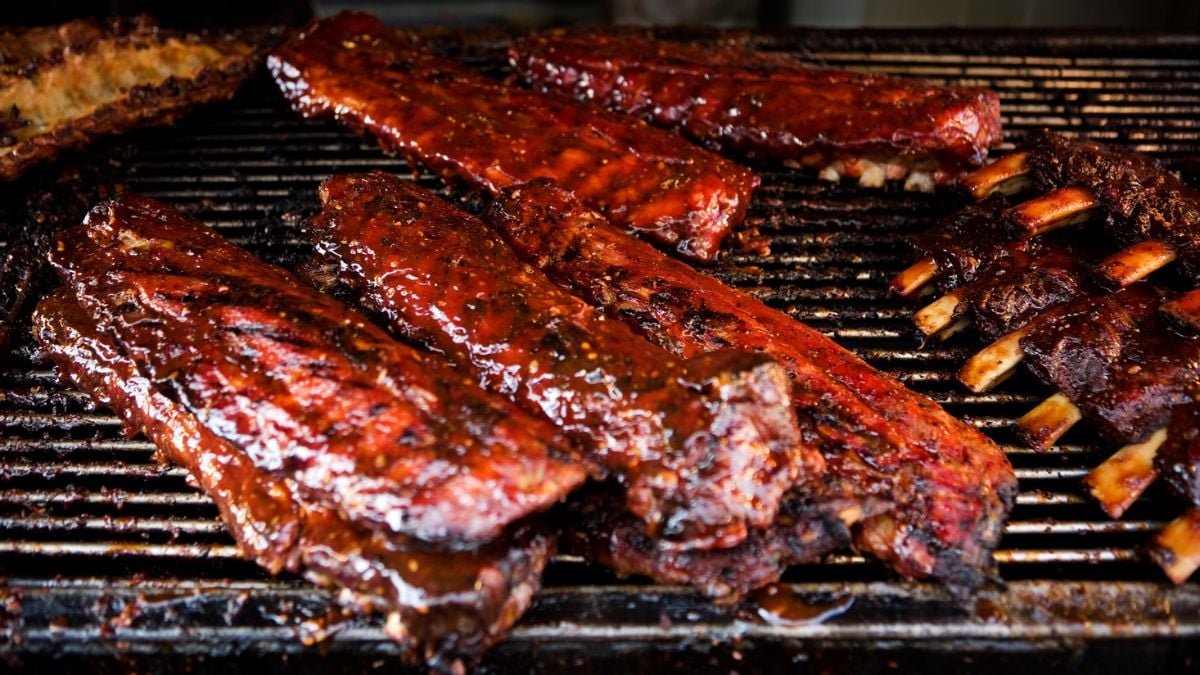
For Charleston locals, Sticky Fingers was more than a place to eat — it was a piece of the city’s identity. The Meeting Street restaurant, in particular, felt like a symbol of the community’s easygoing spirit. Losing it meant losing a shared history that stretched back 30 years.
What’s Left: Bottled Memories
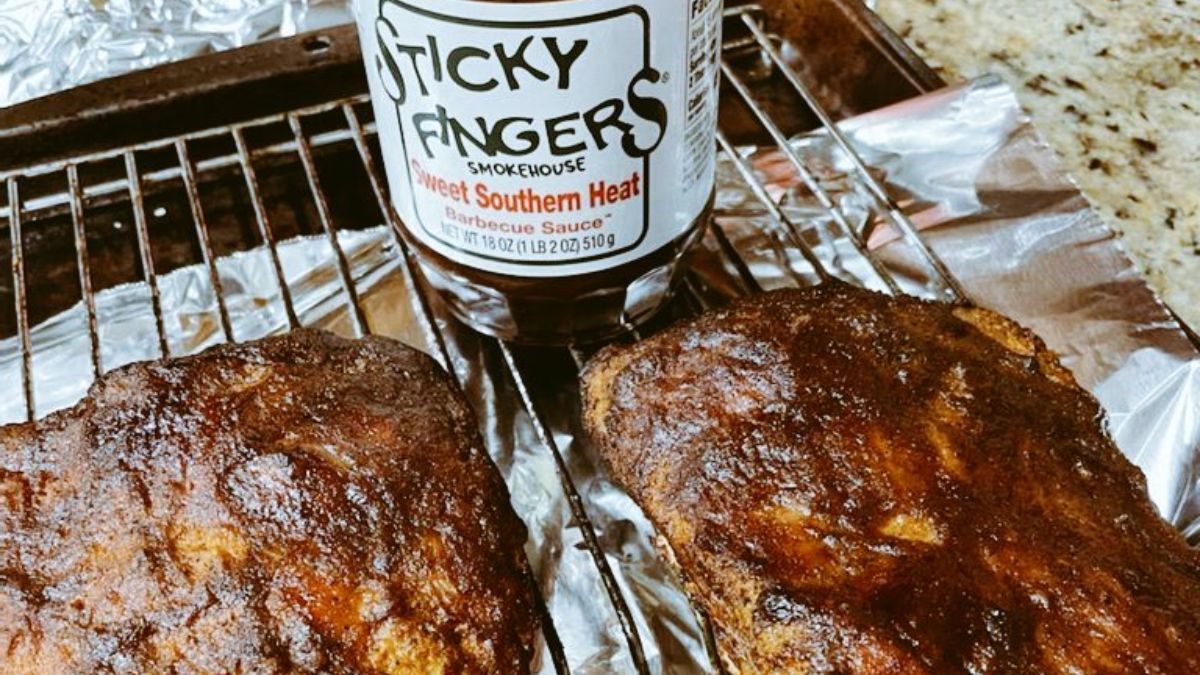
All that remains today is the sauce line — still sold in stores and online. For die-hard fans, that’s the last taste of what made Sticky Fingers special. It’s bittersweet: the flavor lives on, but the laughter and clatter of dishes are gone. Sticky Fingers’ downfall wasn’t sudden; it was slow and smoky. Rapid expansion, shifting ownership, and the loss of that personal touch slowly eroded what made it magic.
End of an Era, But Not the Flavor

Though Sticky Fingers’ pitmasters have hung up their aprons, their spirit still lingers wherever someone slathers ribs with that famous sauce. Charleston may have lost an icon, but the taste endures — in bottles, memories, and kitchen cookouts.