Artificial colors in food are about to get a serious reality check. The FDA updated rules around “no artificial colors” labels to clarify what’s really in your snacks and meals. Foods dyed naturally with beet juice, turmeric, or watermelon juice can now use the label, while synthetic dyes remain off-limits. This change is part of a broader effort to reduce artificial additives, especially in foods for children.
Natural Colors Now Shine
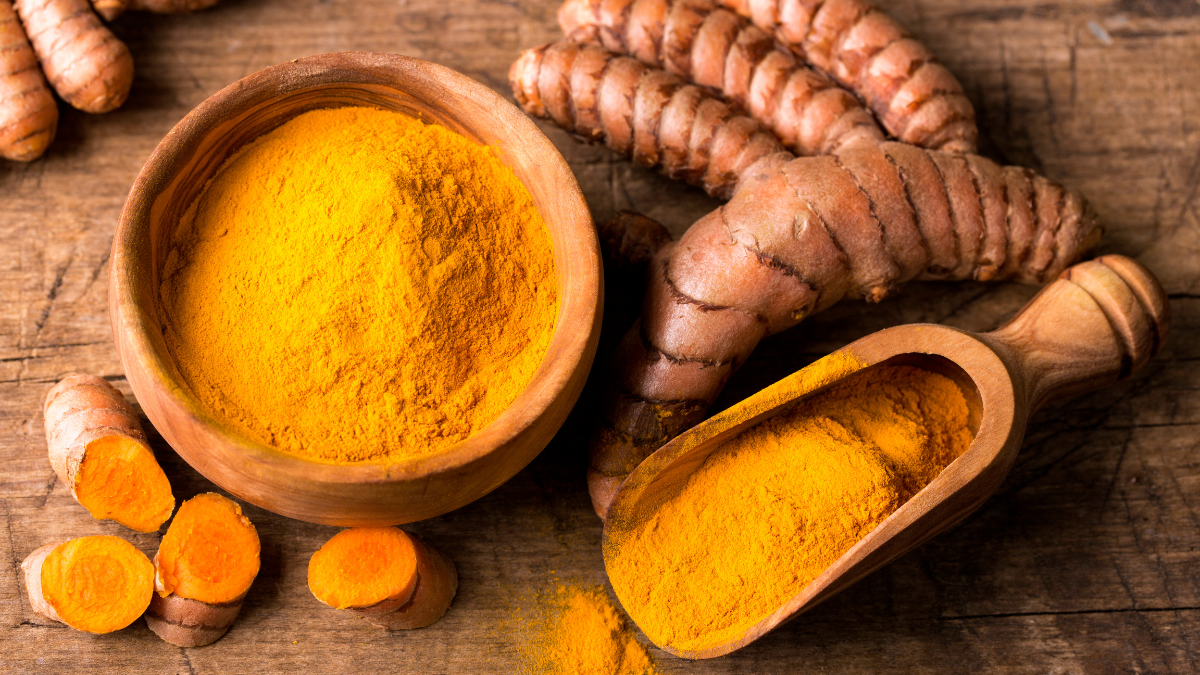
Foods colored with natural ingredients can officially use the “no artificial colors” label. Beet juice, turmeric, and watermelon juice are now acceptable sources. This gives consumers better clarity and aligns labels with what shoppers want to see.
Synthetic Dyes Still Banned
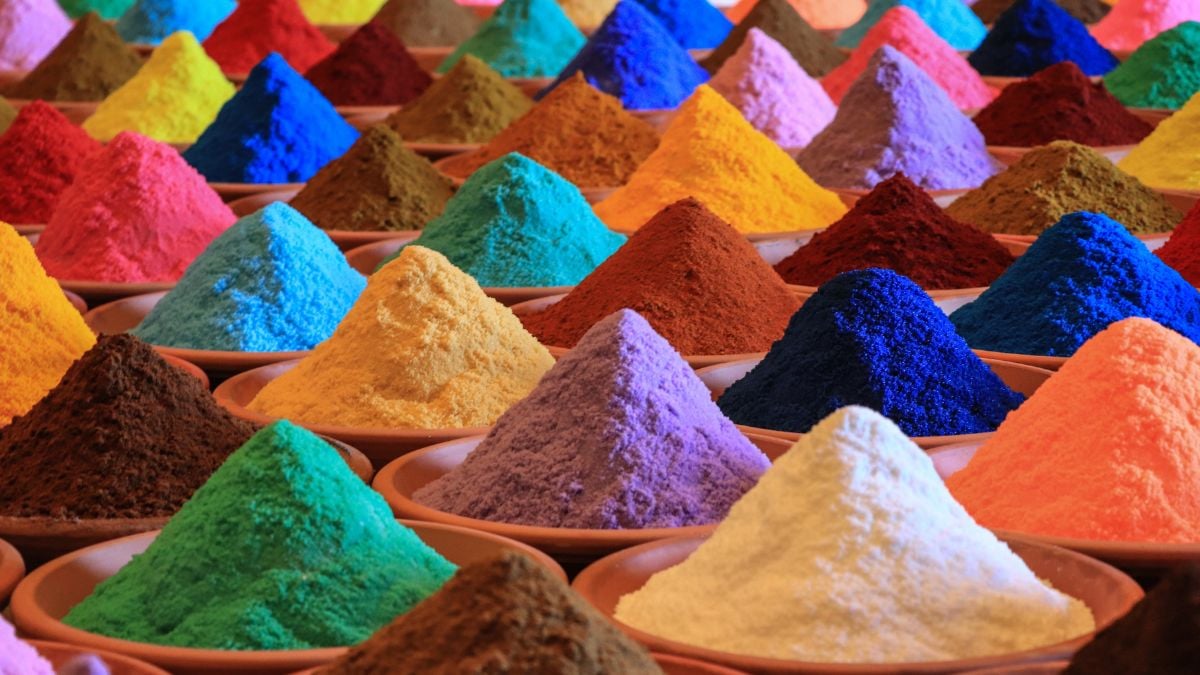
Synthetic, petroleum-based dyes remain disqualified from the label. These are the chemicals linked to health concerns over the years. The FDA’s update clarifies rules rather than creating loopholes, helping consumers spot artificial dyes easily.
Major Brands Are Taking Notice

Companies like Walmart, General Mills, and Hershey are pledging to reduce or remove artificial dyes in certain products by next year. Consumer demand and regulatory pressure are driving the shift. Your favorite cereals, candies, and snacks may soon look different—naturally.
Why the FDA Calls It Important

FDA Commissioner Dr. Marty Makary emphasizes clarity for consumers. While the change isn’t a health miracle, it removes unnecessary chemicals and builds trust. Even small regulatory tweaks can influence shopping habits.
Health Concerns Behind the Change

Some studies link synthetic dyes to inflammation and increased hyperactivity in children with ADHD. While not all children react, awareness is growing. Removing these dyes is part of a larger effort to make foods healthier.
Experts Weigh In

Registered dietitian Maya Feller says the proposal is sensible but raises questions about accessibility and affordability. Not all families have equal access to naturally colored foods, though awareness may help improve availability over time.
It’s Part of a Broader Movement

Limiting artificial dyes is one step in a larger movement toward transparency and healthier foods, especially for children. Shoppers are reading labels, brands are responding, and awareness continues to grow—possibly leading to further regulatory action.
What Shoppers Should Do

Check labels carefully. Natural dyes are now officially recognized, but synthetic ones remain in many products. Informed choices can influence industry trends and support healthier options.
Your Grocery Cart Just Got Smarter
The FDA’s rules make it easier to identify natural vs. synthetic dyes. Transparency is increasing, and consumers can now make better choices. Will this change your shopping habits? Share which products you’ll swap for naturally colored alternatives in the comments.