Arthur Treacher’s once promised Americans a taste of British fish and chips without leaving home. In the 1970s, the chain exploded across the country, becoming a familiar roadside stop for fried seafood lovers. But today, only one full restaurant remains. Its decline wasn’t sudden or scandalous—it was slow, complicated, and deeply tied to economic shifts. This is the story of how a fast-food success quietly faded from the American landscape.
A British Idea That Hooked America
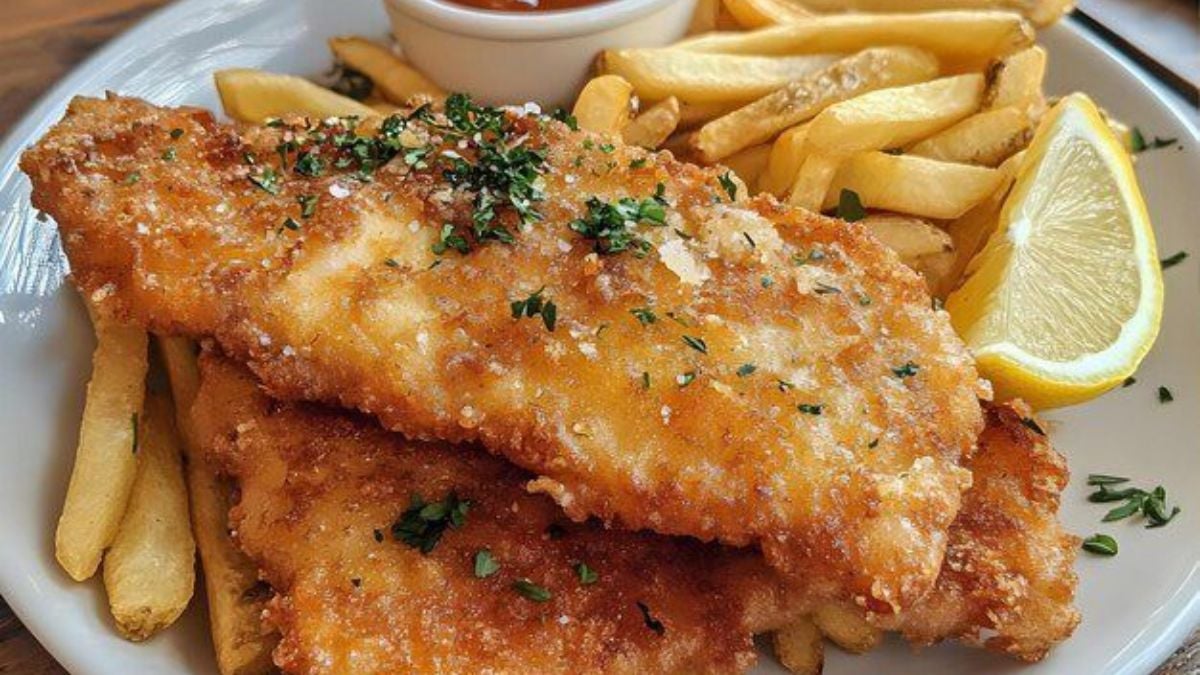
Arthur Treacher’s launched in 1969 with a simple but novel concept. It offered Americans fish and chips styled after British seaside shops. The chain leaned heavily on actor Arthur Treacher’s image to sell authenticity. That branding helped the restaurant stand out in a burger-dominated fast-food world. The idea worked fast—and big.
Explosive Growth in the 1970s
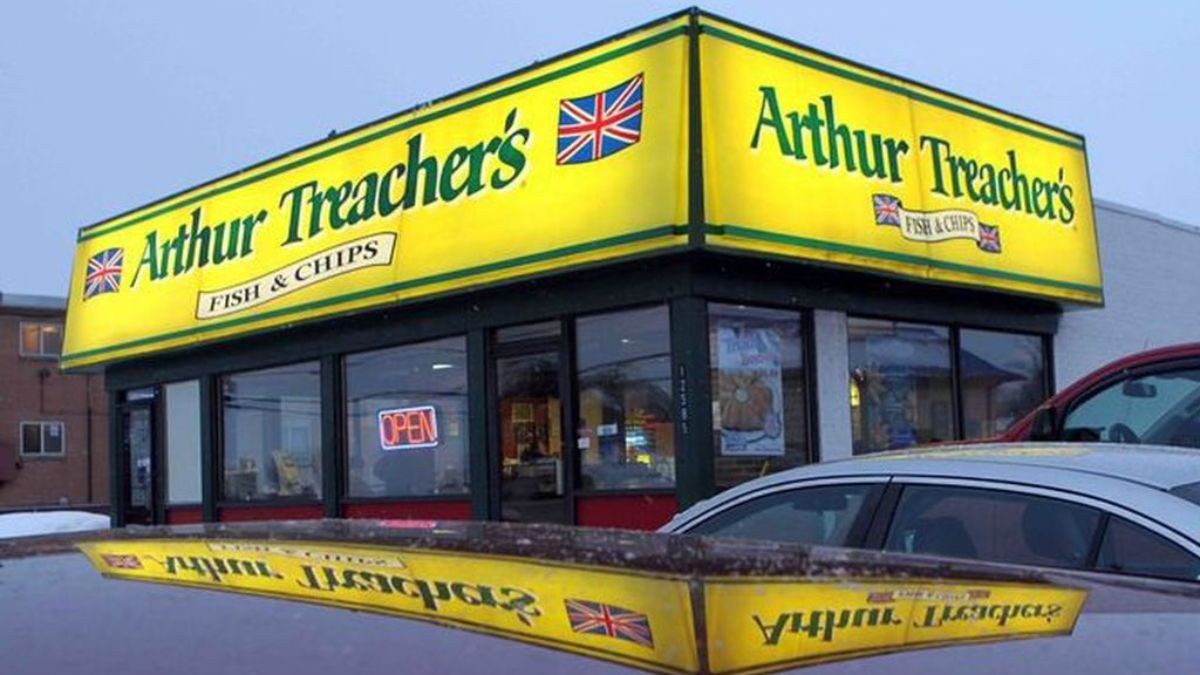
By the mid-1970s, Arthur Treacher’s had grown to more than 800 locations nationwide. Few seafood-focused chains had ever expanded that quickly. Its thick batter, generous portions, and novelty factor drew crowds. For many Americans, this was their first exposure to fish and chips. The chain became a cultural staple of the decade.
Cod Prices Changed Everything

Arthur Treacher’s success depended heavily on cod. During the 1970s, a global fishing crisis caused cod prices to skyrocket. Inflation and supply instability followed soon after. Suddenly, the chain’s core ingredient became expensive and unpredictable. Profit margins shrank almost overnight.
Franchisees Started Struggling

Rising fish costs hit franchise owners hard. Some tried raising prices, but customers pushed back. Others switched to cheaper fish, which altered the taste. Loyal diners noticed immediately. The chain’s signature experience began to fracture at the store level.
Competition Closed In From All Sides
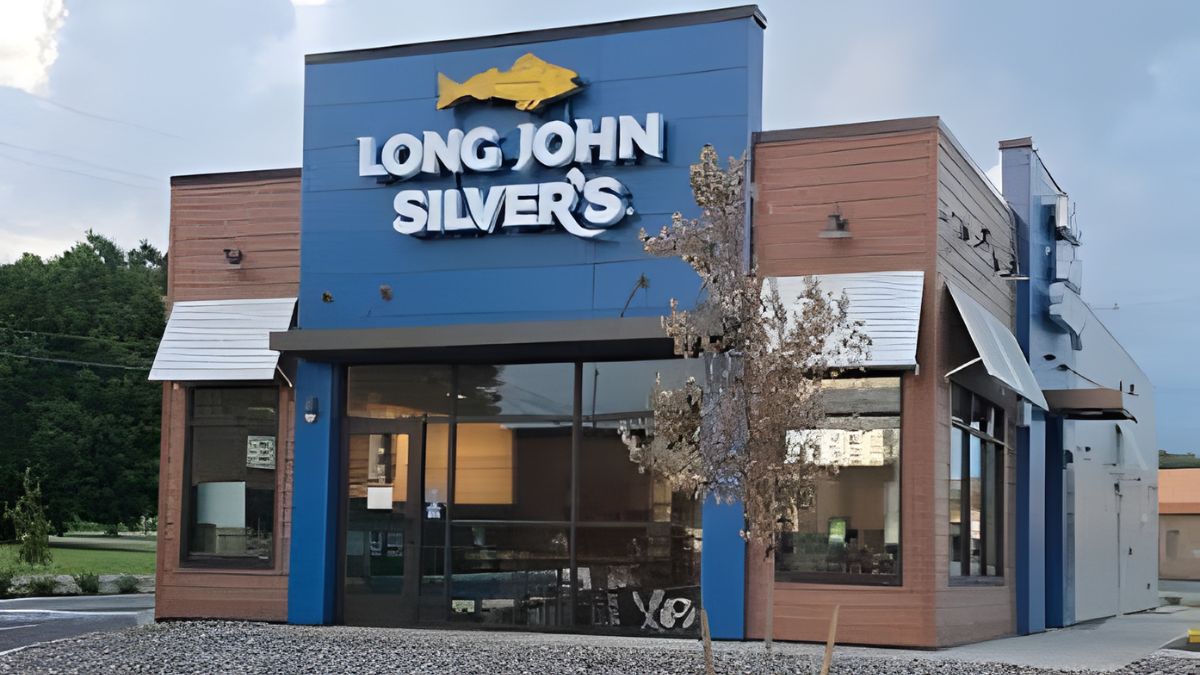
As Arthur Treacher’s struggled, competitors surged. Long John Silver’s expanded rapidly with its own battered seafood approach. At the same time, McDonald’s and Burger King rolled out fish sandwiches. These options pulled away price-conscious customers. Arthur Treacher’s was squeezed between giants and specialists.
Corporate Turmoil Took Its Toll

In 1979, the chain was sold to Mrs. Paul’s, a frozen seafood company. The goal was revival, but problems piled up. Franchisee lawsuits, operational inconsistencies, and strategy shifts followed. Over the next two decades, the brand changed hands multiple times. Stability never returned.
A Menu That Kept Changing

With each ownership change came menu adjustments. Even the famous batter recipe was altered at different points. For longtime fans, this was frustrating. Customers expected consistency, especially from a nostalgic brand. Instead, the experience became unpredictable.
Quiet Closures Became the Norm

By the late 1980s and early 1990s, locations began disappearing. Some restaurants closed outright as costs rose and traffic declined. Others were converted into different chains. Many shut down without headlines or announcements. The brand slowly faded from view.
Co-Branding Kept the Name Alive

A few Arthur Treacher’s locations survived through co-branding. Pairings with Nathan’s Famous and other chains helped maintain limited visibility. However, these hybrid setups blurred the brand’s identity. The original fish-and-chips focus became secondary. Survival came at the cost of clarity.
Dining Trends Moved On
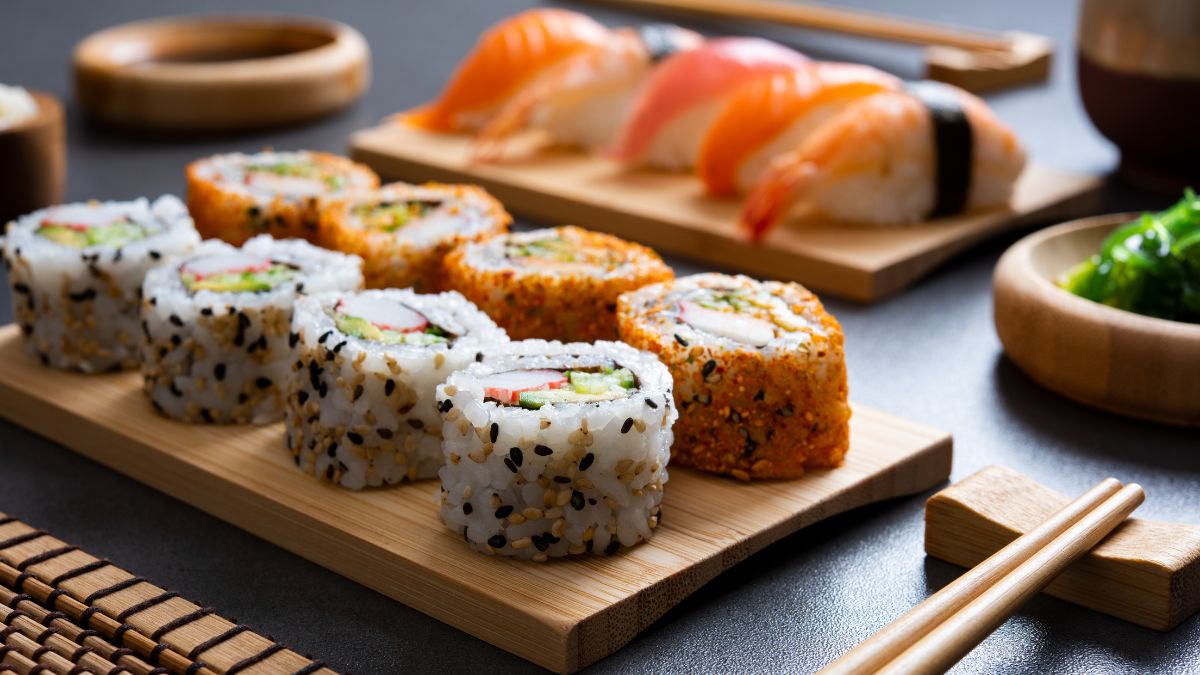
As years passed, consumer tastes changed. Fast-casual seafood, sushi, and lighter options gained popularity. Sustainability and grilled alternatives became more appealing. Arthur Treacher’s deep-fried, nostalgic model felt dated. The chain struggled to find a modern audience.
One Restaurant Still Stands
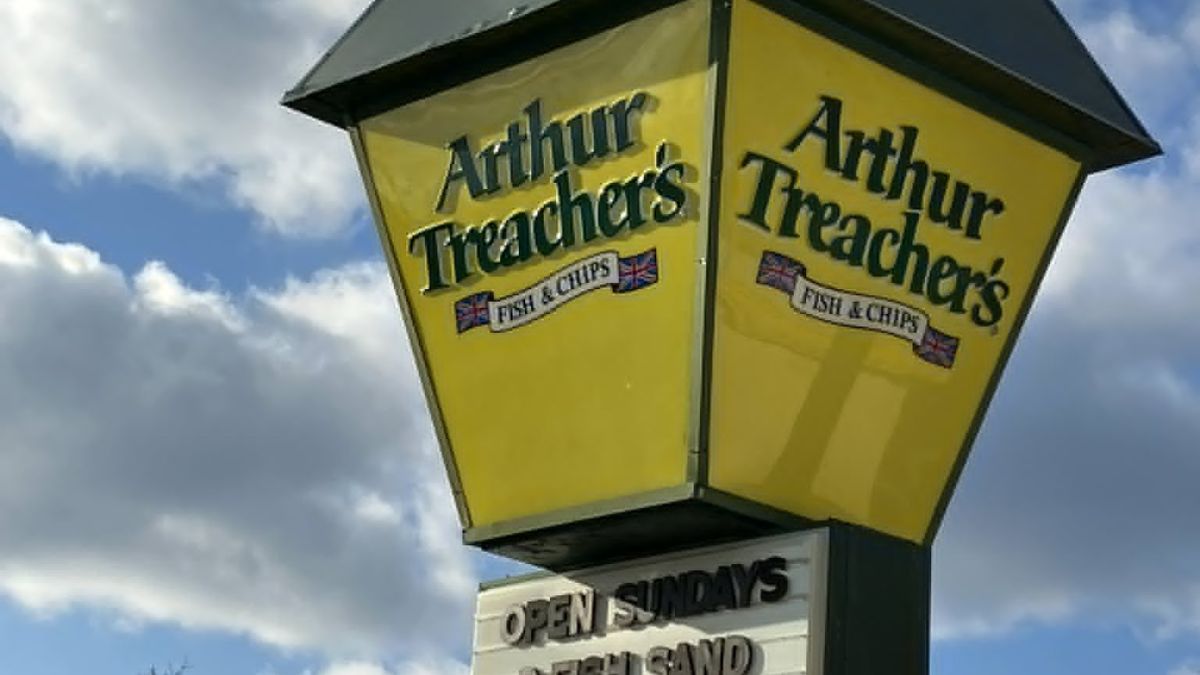
Today, only one full Arthur Treacher’s remains in Cuyahoga Falls, Ohio. Its owners preserve the original batter recipe and classic experience. For fans, it’s a living time capsule. It represents what the chain once was at its peak.
Nostalgia Keeps the Memory Alive
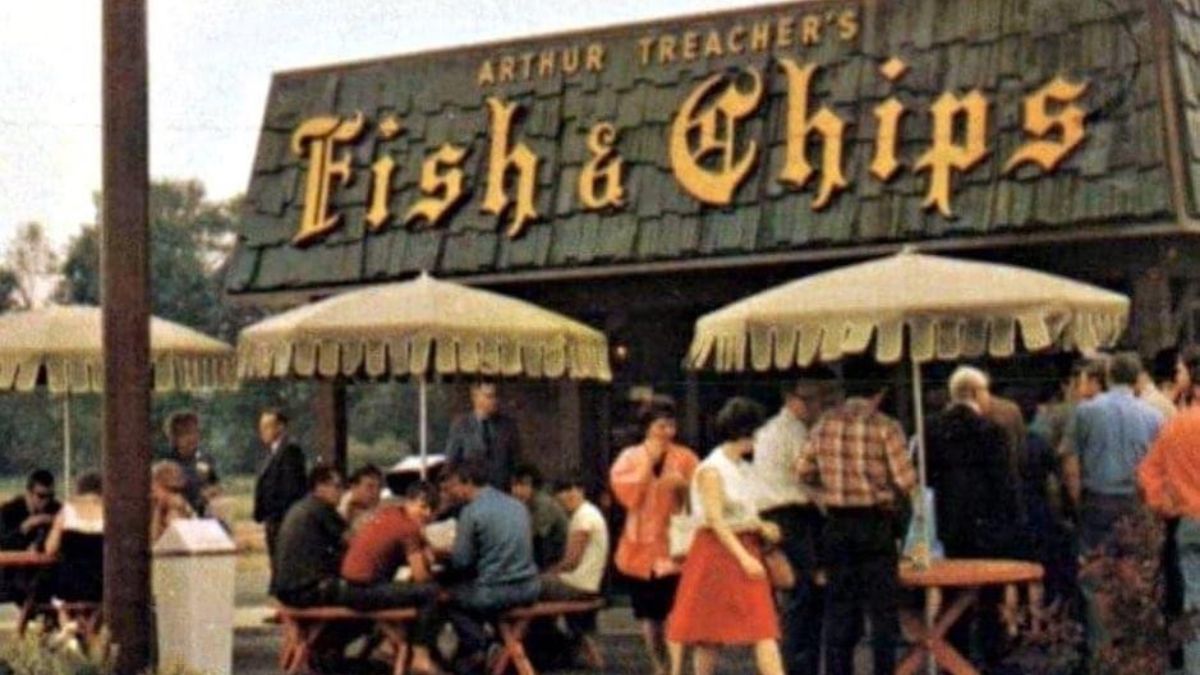
Online communities still share memories of Arthur Treacher’s. People recall childhood dinners and Friday fish nights. The flavor left a lasting impression. Even as locations vanished, emotional attachment remained strong. Nostalgia now carries the brand more than marketing ever could.
A Slow Fade, Not a Scandal

Arthur Treacher’s didn’t collapse overnight. It faded through economic pressure, competition, and shifting expectations. The industry evolved faster than the brand could adapt. What remains is a reminder of how fragile fast-food success can be. Sometimes, even beloved chains simply run out of time.
A Chain Worth Remembering
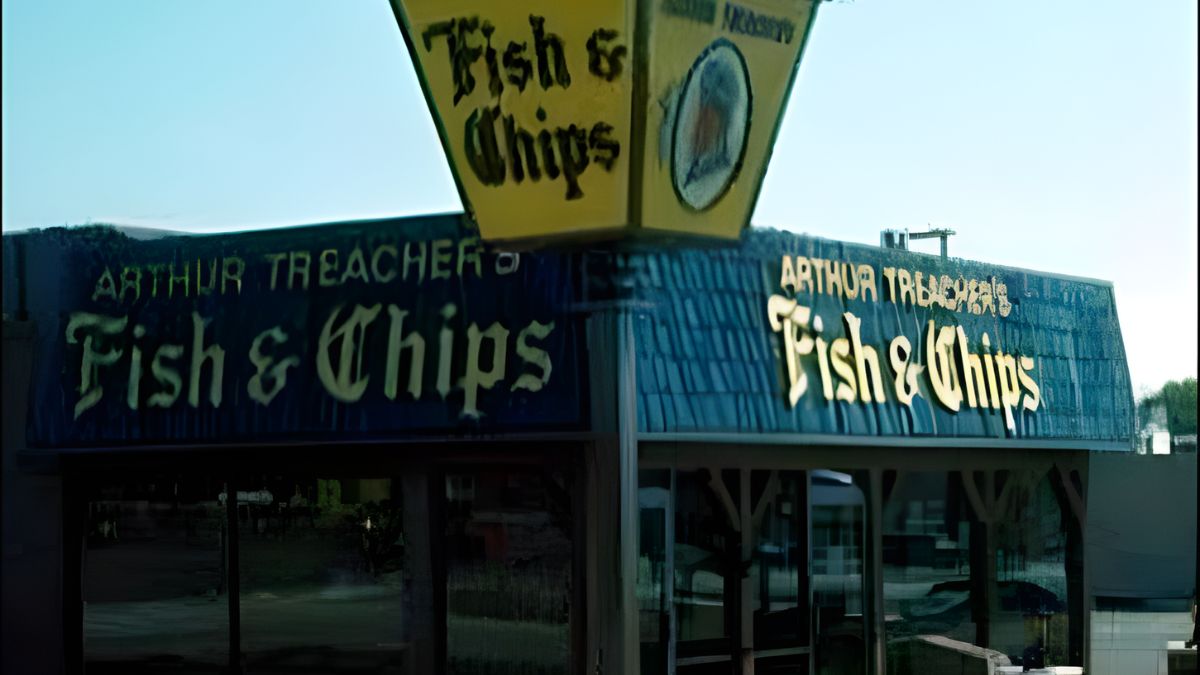
Arthur Treacher’s once shaped America’s fast-food seafood scene. Its decline reflects broader changes in economics, dining habits, and corporate ownership. Did you ever eat at Arthur Treacher’s—or remember one in your town? Let us know if this chain left a mark on you, or if there’s another forgotten restaurant you think deserves a closer look.